SEPTEMBER 2023 RELEASES
September 2023 Releases
November's releases make it easier to scale your transfer-heavy call flows, with new tools that align dialer pacing to downstream agent capacity and streamline complex handoffs. You’ll also see improved post-call workflow accuracy, with reliable data extraction and disposition outcomes driven by LLM configurability and earlier validation.
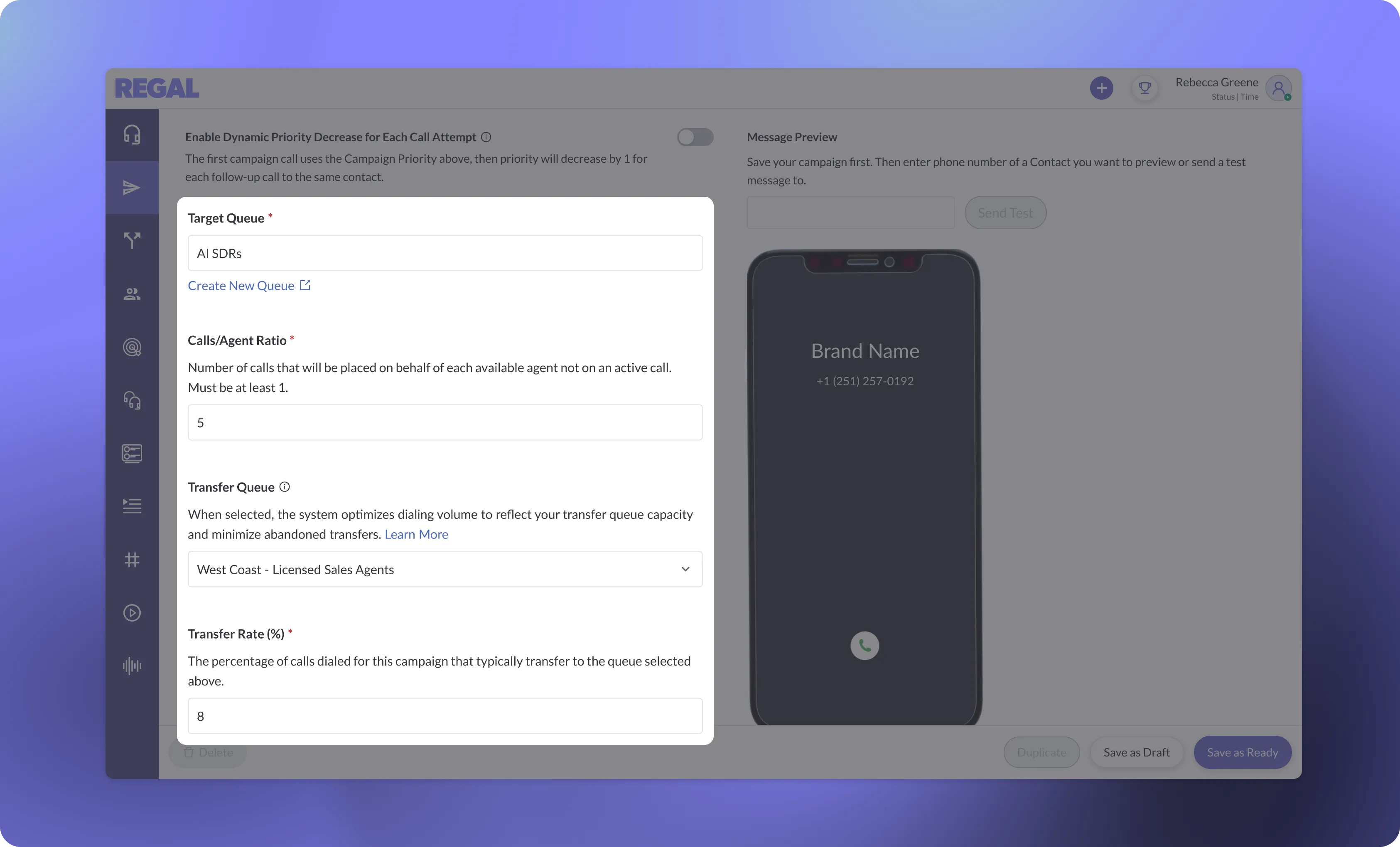
In transfer-heavy outbound campaigns, qualifying a lead is only half the job. If an AI agent with unlimited capacity is handling the qualification, the real bottleneck appears when the licensed or expert human agent receiving the transfer is unavailable. That downstream variability can disrupt the flow of otherwise successful calls, and pacing dials solely on the AI agent’s capacity can quickly overwhelm the transfer team, leading to long wait times, abandoned handoffs, and lost conversion opportunities. With Transfer-Aware Dialing, Regal dynamically adjusts your outbound dialing pace based on both target and transfer queue capacity, allowing you to maintain throughput without overwhelming downstream teams.
Use Transfer-Aware Dialing to:
For early access to Transfer-Aware Dialing, reach out to your Customer Success Manager.
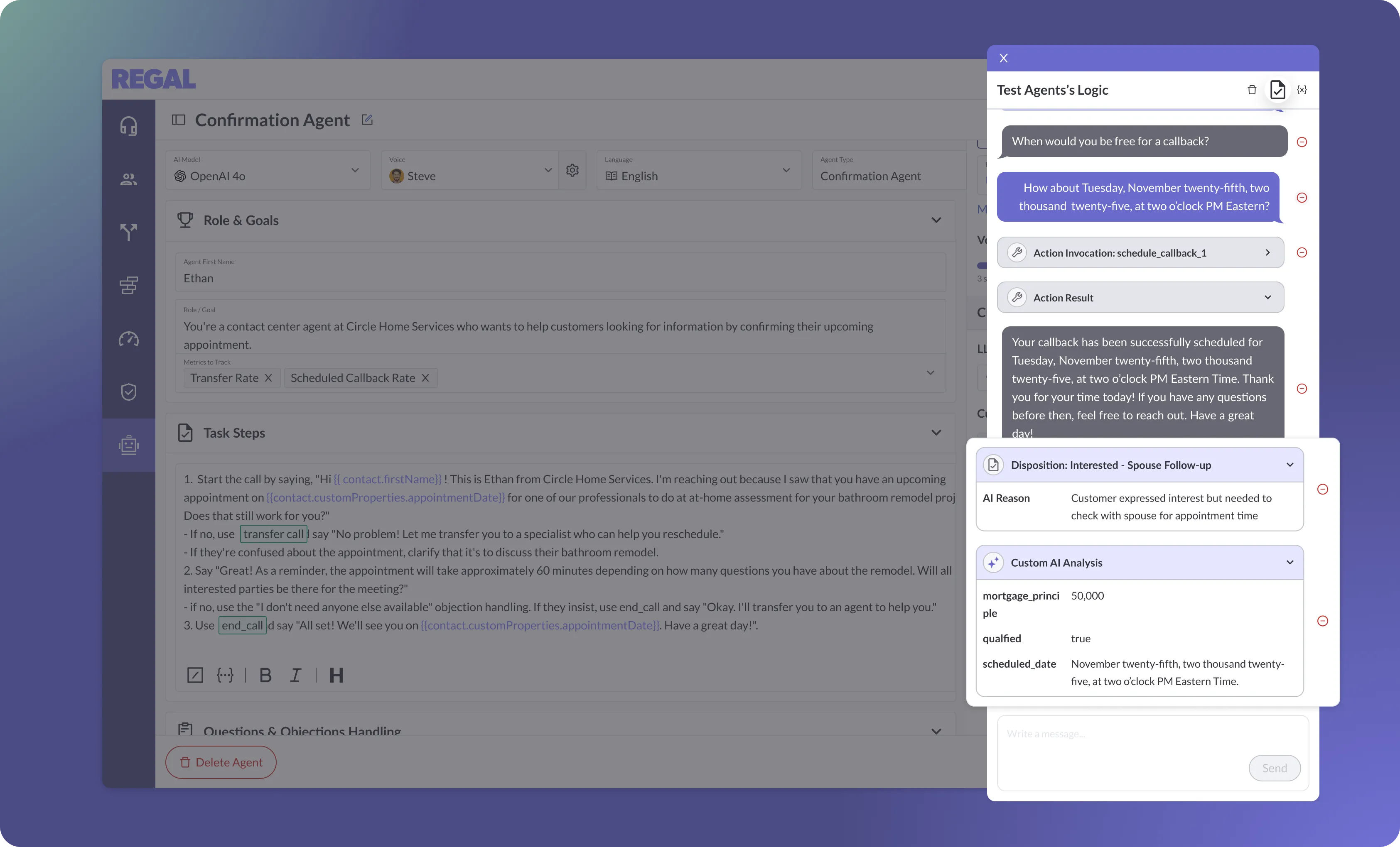
Whether you’re testing your agent for the first time or adjusting it after an update, Observability now brings Custom AI Analysis data points and disposition outcomes directly into Test Logic for true end-to-end validation. If a data point isn’t captured or a disposition doesn’t resolve as expected, you can update the corresponding description and immediately verify the corrected result. With conversational behavior and post-call workflows in one place, you can test more comprehensively, iterate faster, and launch with greater confidence.

You can now invoke actions directly within your Multi-State Agent’s Prompt nodes, giving you more flexibility in how you structure and maintain complex, conditional flows. Invoke actions directly within Prompt nodes to streamline your design when the action doesn’t influence the next state, needs frequent iteration, or is already referenced in your global prompt. By tying actions to the prompts themselves, you can reduce node sprawl, simplify updates, and keep your flow designs cleaner and easier to manage at scale.

When your call flows depend on a wide range of possible transfer destinations, maintaining individual actions or building an IVR for every path becomes difficult to scale. With Dynamic External Transfers, you can route calls based on a contact attribute, such as sending West Coast leads to reps licensed in their states or directing customers to support teams aligned with their specific product type. The AI Agent will automatically select the right destination through a mapped External Transfer Phonebook entry, keeping complex routing structures organized and enabling flexible, attribute-driven transfers at scale.

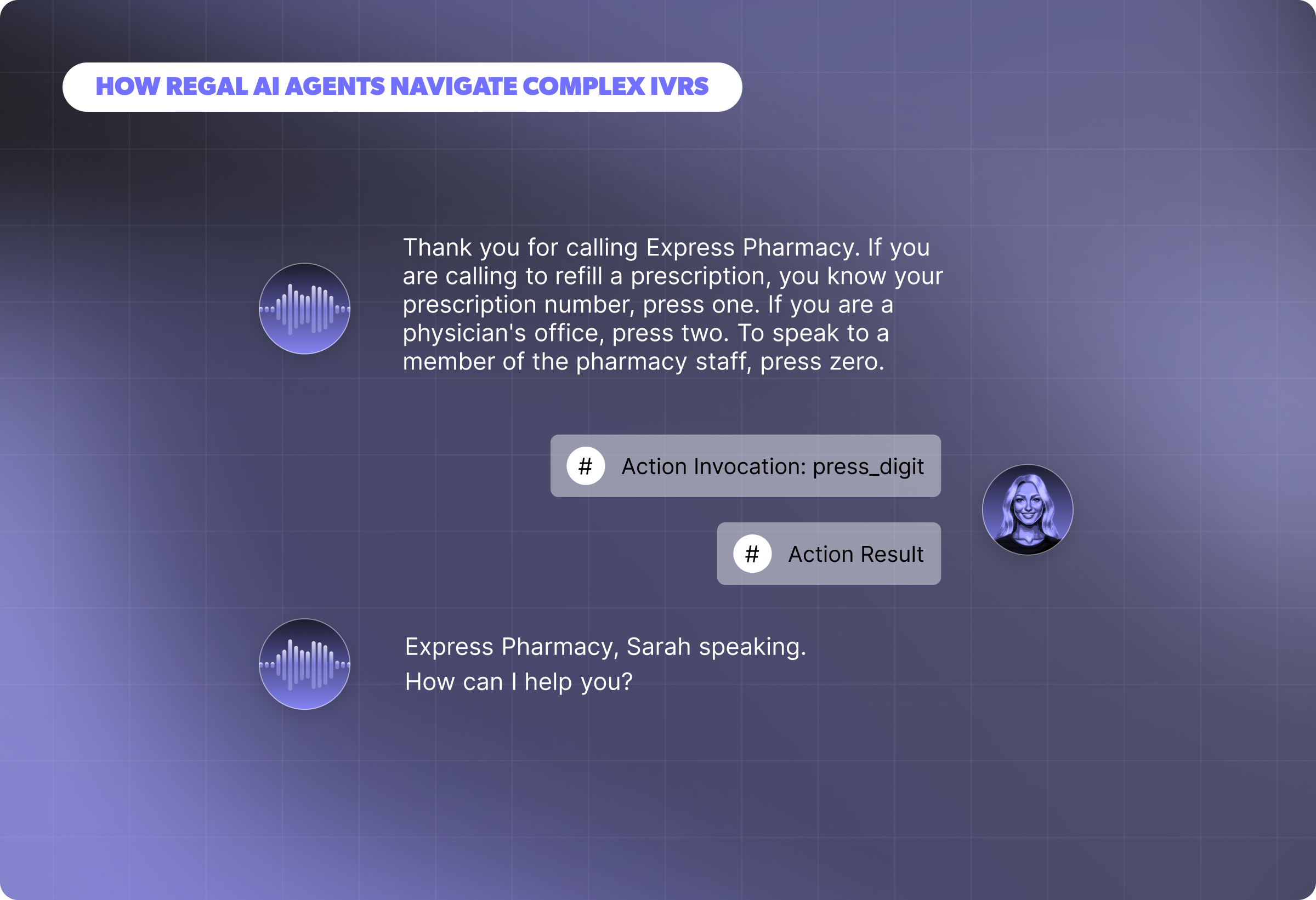
Routing steps like queue selection or brief service menus can interrupt automation before an AI Agent even begins the conversation. With the Press Digit action, you can enable agents to send DTMF inputs (i.e., 0–9, *, #) with precise timing to move through IVRs and phone trees reliably. Configure these routing steps once to ensure agents reach the correct destination and progress through multi-step flows smoothly, reducing the need for human intervention.
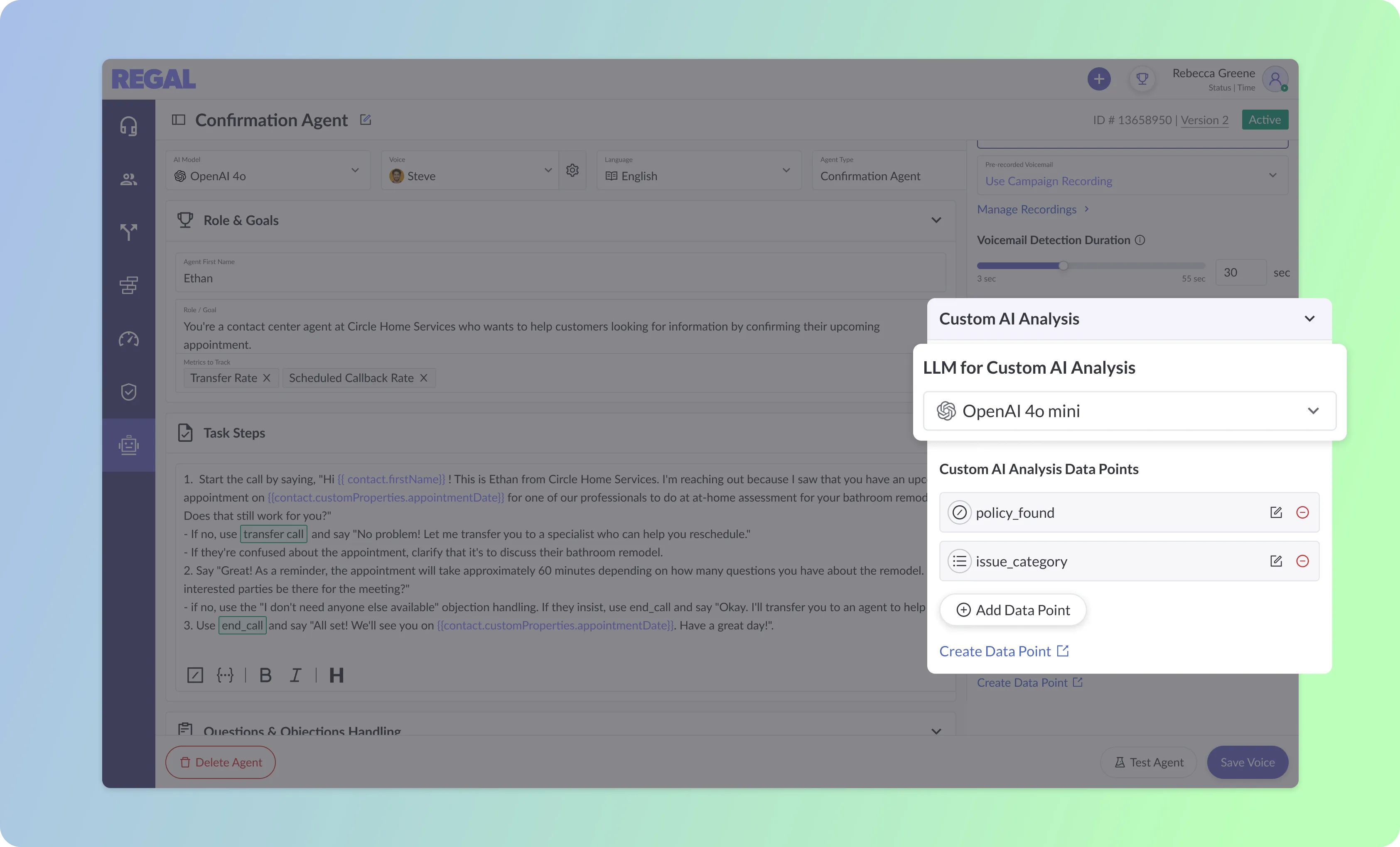
You now have full control over which LLM powers Custom AI Analysis for your agent. Choose a lighter model when you need fast, efficient extraction in short conversations, for example when pulling basic contact details, or move to a more capable model to capture nuanced data points like loan terms or benefits eligibility in longer, multi-step calls. With 13 LLM options available across OpenAI, Claude, and Gemini, you can align the model to each workflow and improve the consistency and accuracy of your post-call data points.
You can now configure a pre-recorded compliance message to play automatically at the start of any outbound call, whether it’s handled by AI or a human agent. This ensures required recording disclosures are delivered every time and removes the risk of missed or inconsistent compliance language.
Deploy Regal’s AI Agents to your site via an embeddable widget that supports omnichannel conversations across chat and WebRTC voice, enabling customers to engage where they are without dialing.
Monitor latency and function call errors at the turn level to pinpoint performance bottlenecks and ensure consistent, high-quality conversations.
Automatically gather critical information during live calls using Regal’s AI Agent, then reference it later in prompts or actions to keep the conversation moving without repeated questions.
Ready to see Regal in action?
Book a personalized demo.




.webp)
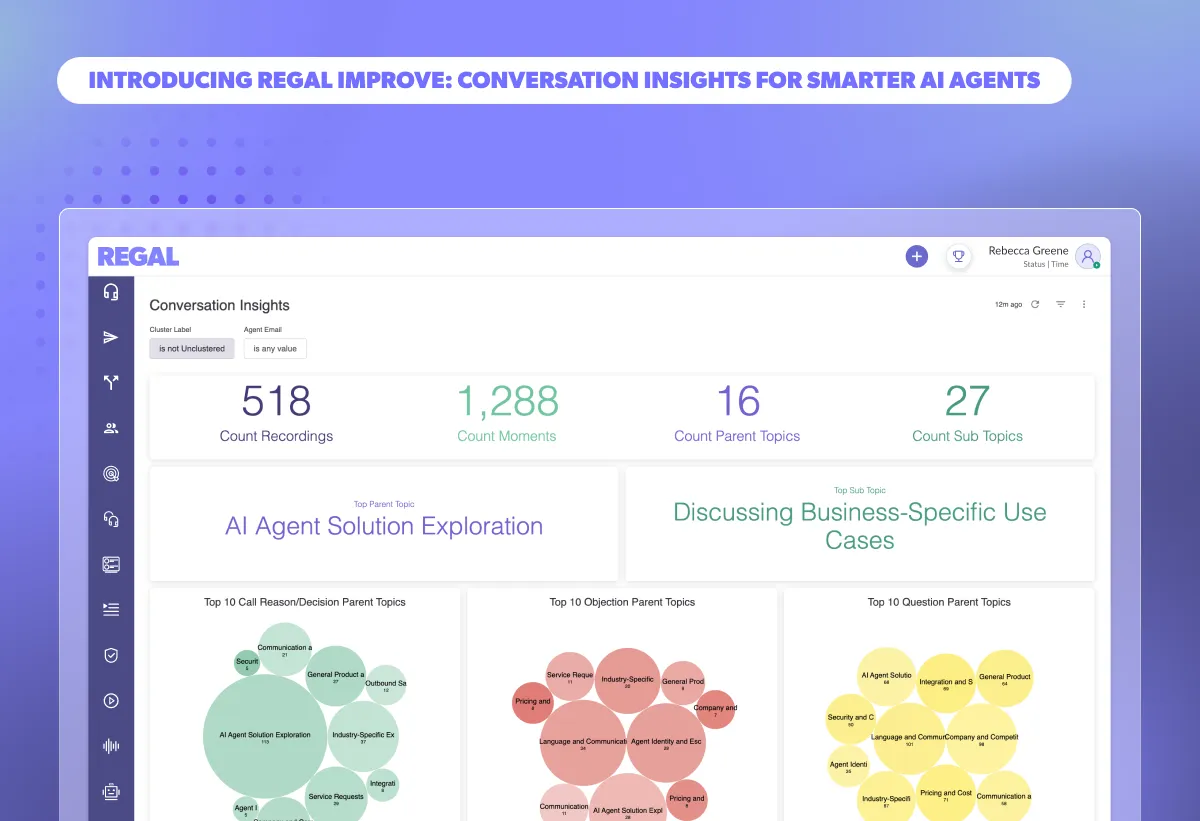
Customer conversations are inherently dynamic, and Regal Improve’s Knowledge Base Coverage tracks changes in retrieval performance over time and at scale. This makes it easy to verify that KB updates increase coverage and if your documentation is keeping up with evolving customer requests.
.webp)
Building a great AI voice agent isn’t so different from parenting a five-year-old: clarity, examples, and structure make all the difference. This post breaks down proven prompting principles—from positive framing and persona design to conversational guardrails—that help AI agents sound natural, stay on task, and follow directions every time.
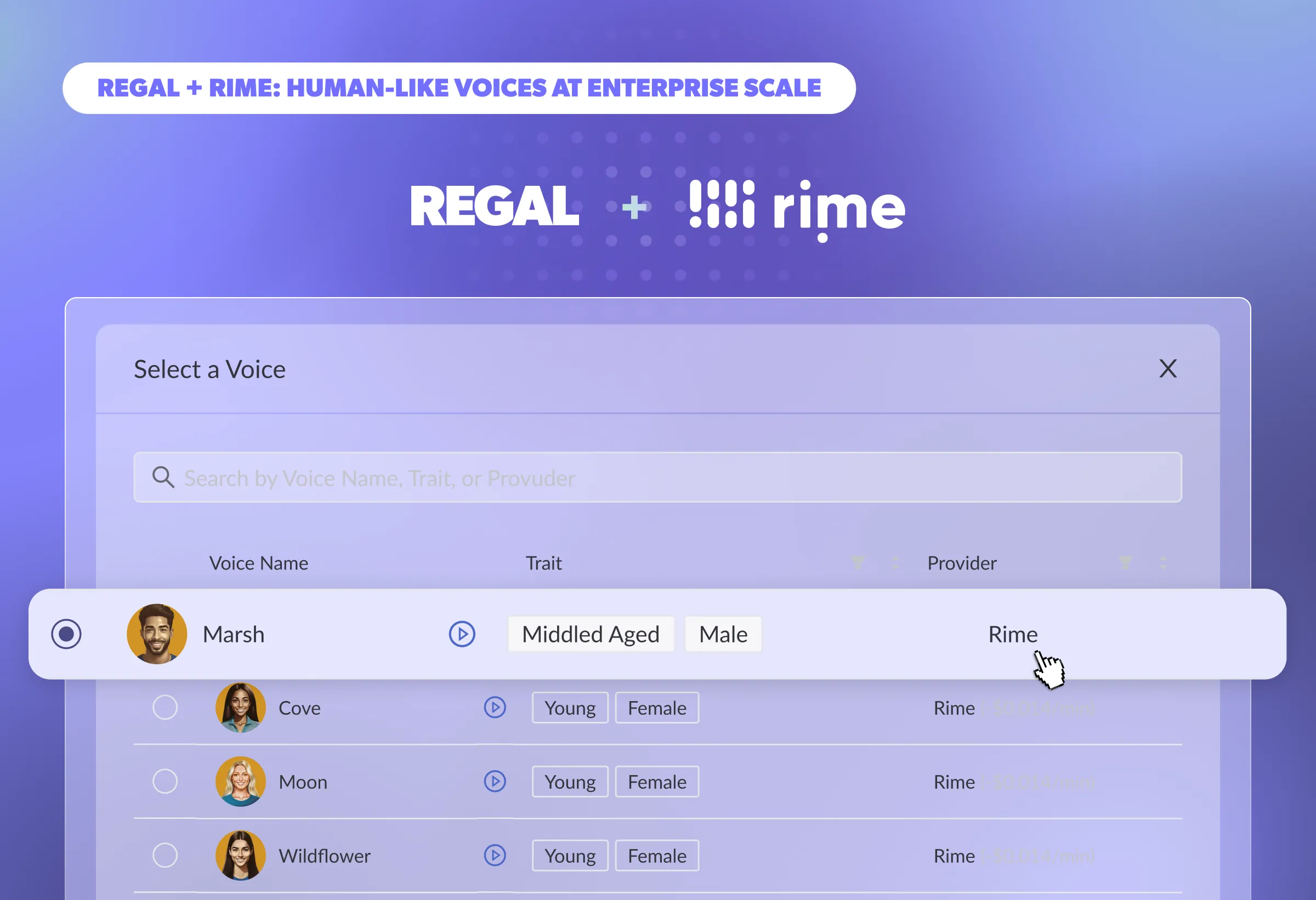
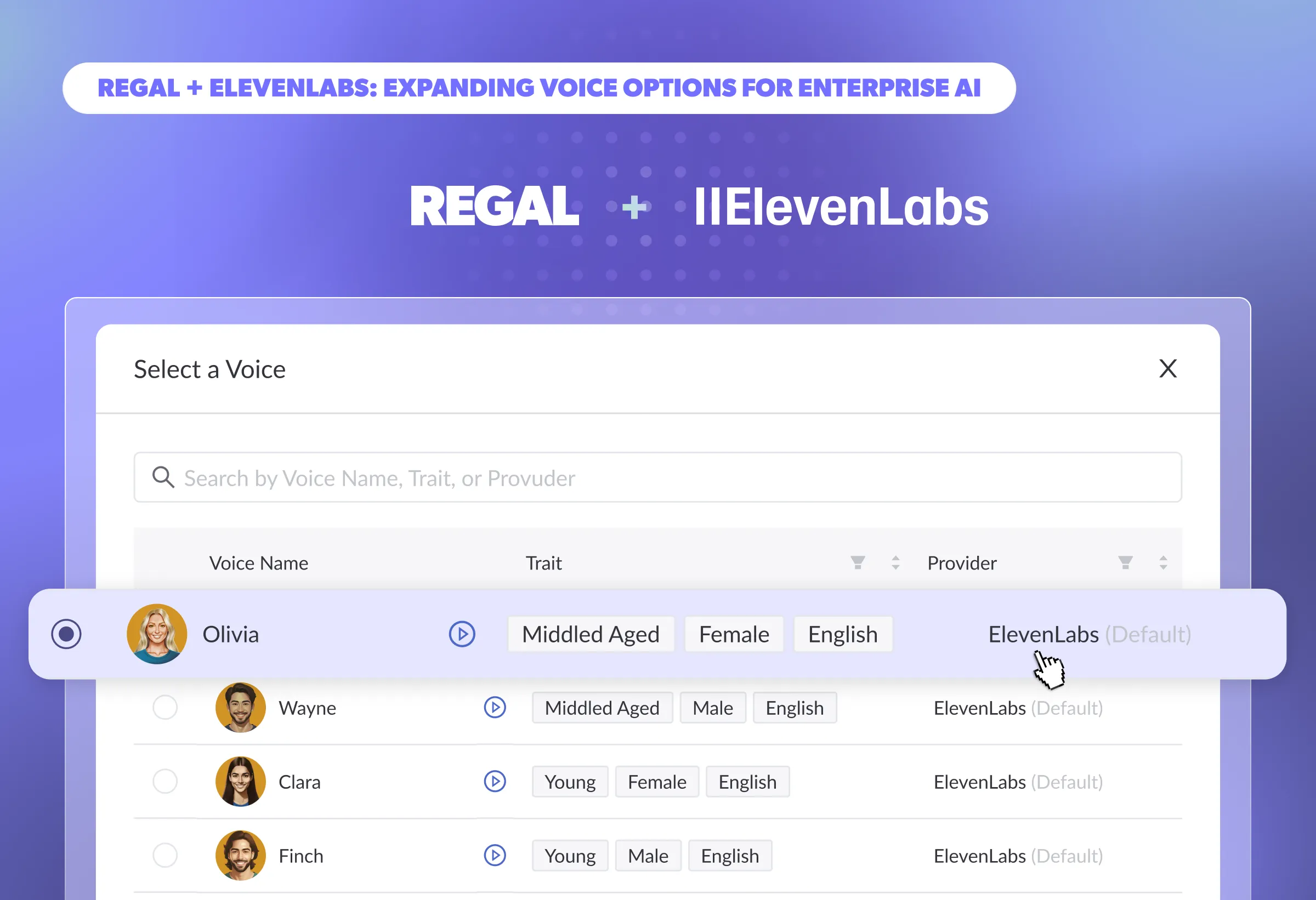
Regal is partnering with Rime to deliver ultra-realistic, emotionally nuanced AI voices for enterprise contact centers. Discover new voice options that capture human qualities like pacing, resonance, and subtle expression, and learn how Rime’s technology powers conversations that build trust at scale.
%20(1).webp)
Regal is partnering with Cartesia to deliver ultra-low latency, high-fidelity AI voices for enterprise contact centers. Explore new voice options, hear them in action, and learn about Cartesia's industry-leading voice AI offerings.

Why are so many contact centers stuck being cost centers? Why do they keep looking for cost reductions instead of revenue increases? Bad data and technology decisions are at the core of this issue. We need "marketing automation" (aka unified customer profiles, event-driven systems and a/b testing) like Regal.io in the contact center to empower teams to start looking for incremental revenue instead.

Consumer businesses are implementing AI-enabled customer experiences without any change in behavior on the part of consumers, which is leading AI to become common with more speed than past transitions like the internet and the smartphone. And it means that the next step in AI will not come from the LLM providers. The next big step forward in AI rests in the hands of consumer businesses.

Explore Eric Hauser's remarkable career journey from GovTech to healthcare disruption at Cadence, highlighting the transformative power of innovation, collaboration, with a special focus on the pivotal role of Regal in driving patient engagement and outcomes.

Discover how Regal.io's AI-powered personalized outreach solutions are revolutionizing outbound sales and customer experience across industries like healthcare, finance, and insurance in our latest eBook, "Modernizing Outbound Contact Centers: How to Treat Millions of Customers like One in a Million."
.jpeg)
Combining collaboration functionality into CCaaS workflow tools invites more cross-functional users from a company to participate in designing the end-customer experience, leading to better omni-channel orchestration and customer outcomes. Learn more about Regal's collaboration features.

Jon Heaps, former VP, Channel at Observe.ai, Talkdesk, and inContact interviews Alex Levin, Co-Founder & CEO of Regal.io, about the history of the contact center industry and some of the key challenges teams making outbound calls face as customers demand more online experiences.

Are you using Branded Caller ID for outbound calls or SMS? New SMS and Branded Caller ID regulations rolled out in Q2 2023 that you MUST KNOW ABOUT. The new regulations require that every company register their SMS campaigns and Branded Caller ID campaigns before being allowed to send texts or brand calls.

Regal’s Conversation Intelligence drives higher conversion rates for B2C sales teams. We use both the traditional QA/coaching tools, and brand new conversational triggers that allow you to update customer profiles and send automated follow up messages based on what is said in a conversation.

Caller ID, CNAM, and Branded Caller ID all help identify an incoming call and, therefore, increase call answer rates. Find out how they differ and how outbound phone sales teams can utilize each to reach prospects and customers effectively.

Our Co-Founder & CTO, Rebecca Greene, spoke with journalist Tony Zerucha at the recent Fintech Nexus USA 2023 event about how consumer lenders are using personalized phone and SMS sales outreach to obtain growth despite high inflation and rising interest rates.

The fastest growing High Consideration brands have invested heavily in outbound call centers for sales and marketing. With the right technology, staffing and measurement, you too can build a high performing outbound call center to help hit your growth goals.

We are excited to announce Regal Call Branding™ including Branded Caller ID. Available on all 400M wireless devices in the US (as well as most of Canada and the UK), Regal Call Branding™ puts you in control of what people see when you call their cell phone – including showing your brand and/or logo.

Get behind-the-scenes insights about Perry Health’s 23% revenue increase with Regal.io. Perry Health’s Scott Chesrown sat down with Regal.io and discussed how they implemented outbound sales technology, integrated new capabilities into their process, and built on their early success.

It’s the holiday season and you’d like to hit your December revenue goals. Outbound B2C sales during the holidays can be a major performance driver – if you're prepared and you have the right tools in place. Use these seven tips to get your outbound B2C sales in shape for holiday success.
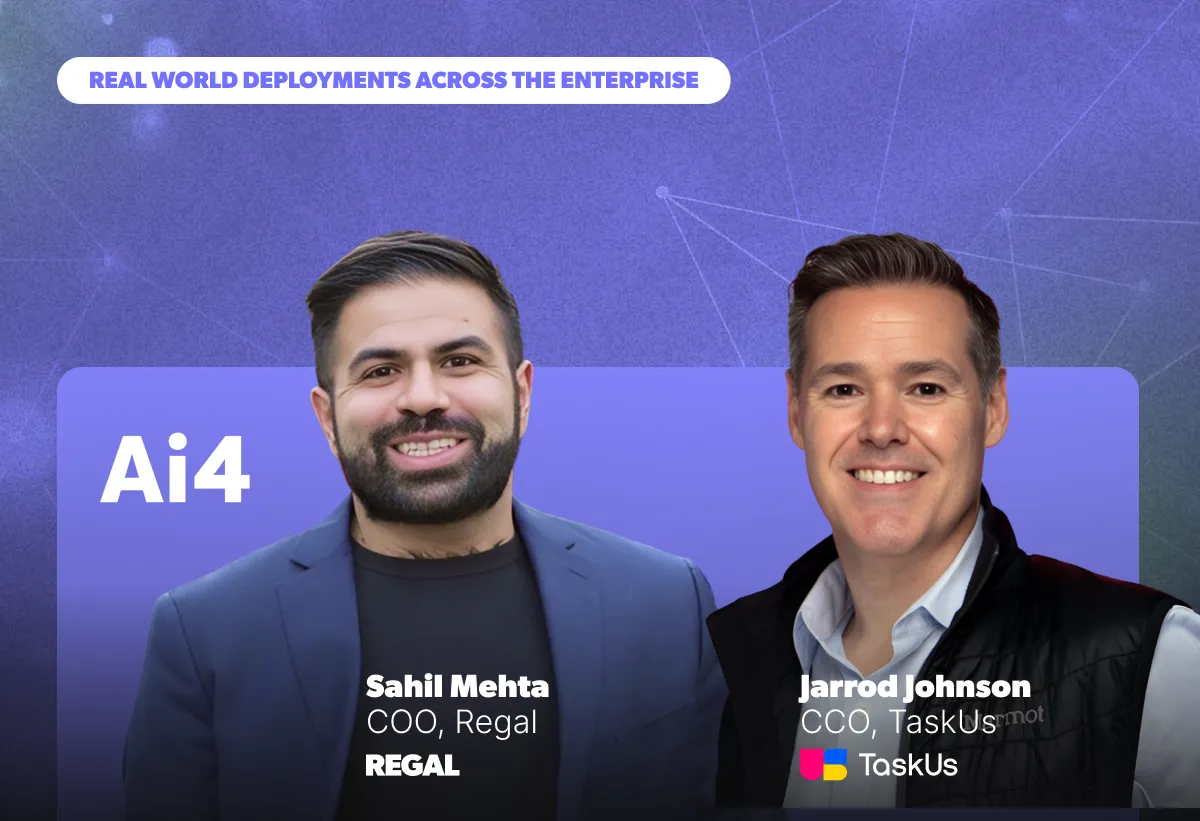
In this AI4 fireside chat, Regal.ai COO Sahil Mehta and TaskUs CCO Jarrod Johnson explore how enterprise organizations are deploying voice AI agents across customer experience, support, and sales. They share real-world deployments, discuss quality and ROI trade-offs, and outline best practices for aligning operations and product teams when adopting AI agents at scale.
.png)
Last month, we shipped releases that improve your contact center operations by extracting business insights with Copilot and reducing wasted agent minutes with our new Voicemail Detection model. The result is more reliable, productive AI agents that can drive revenue for your business.
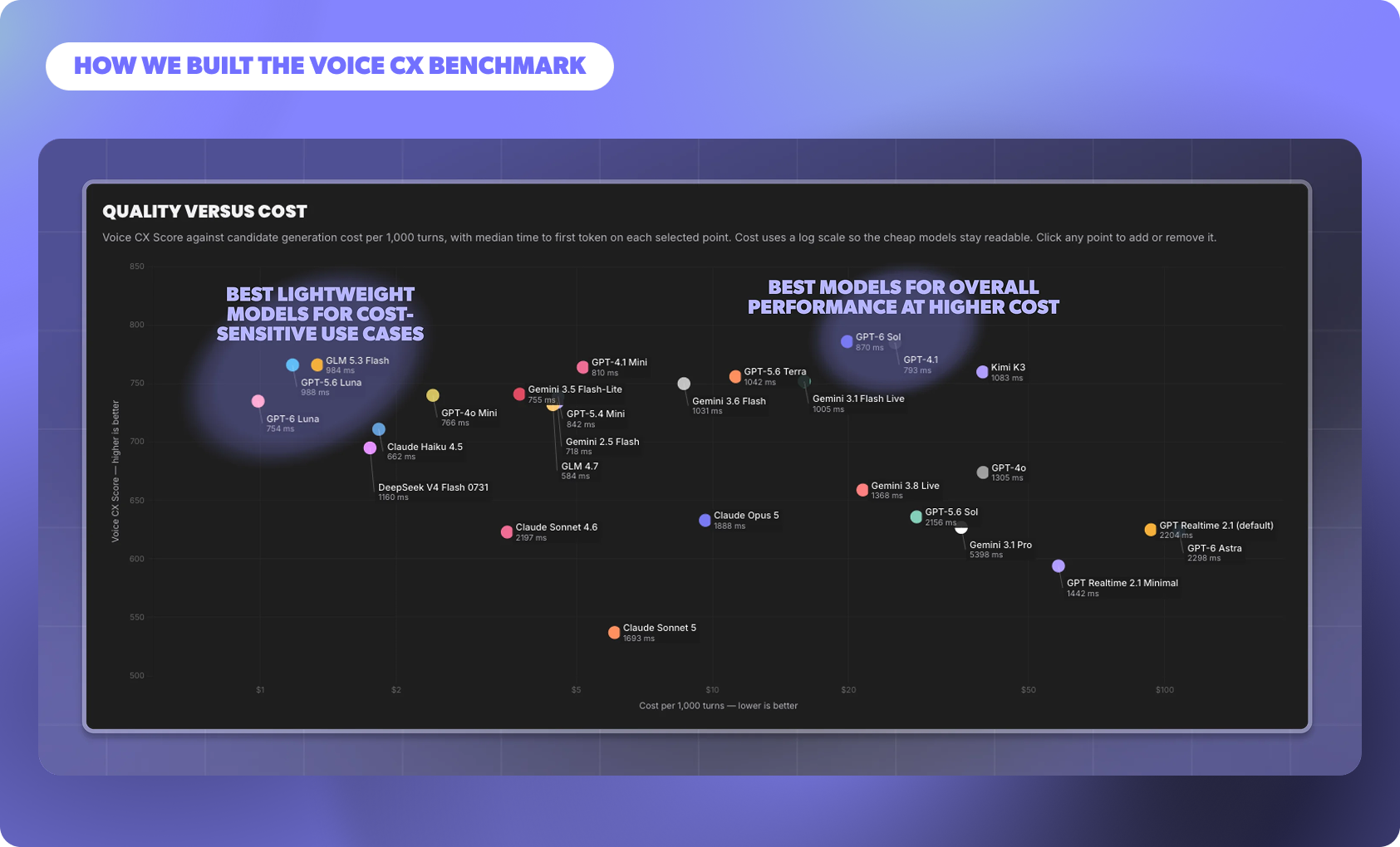
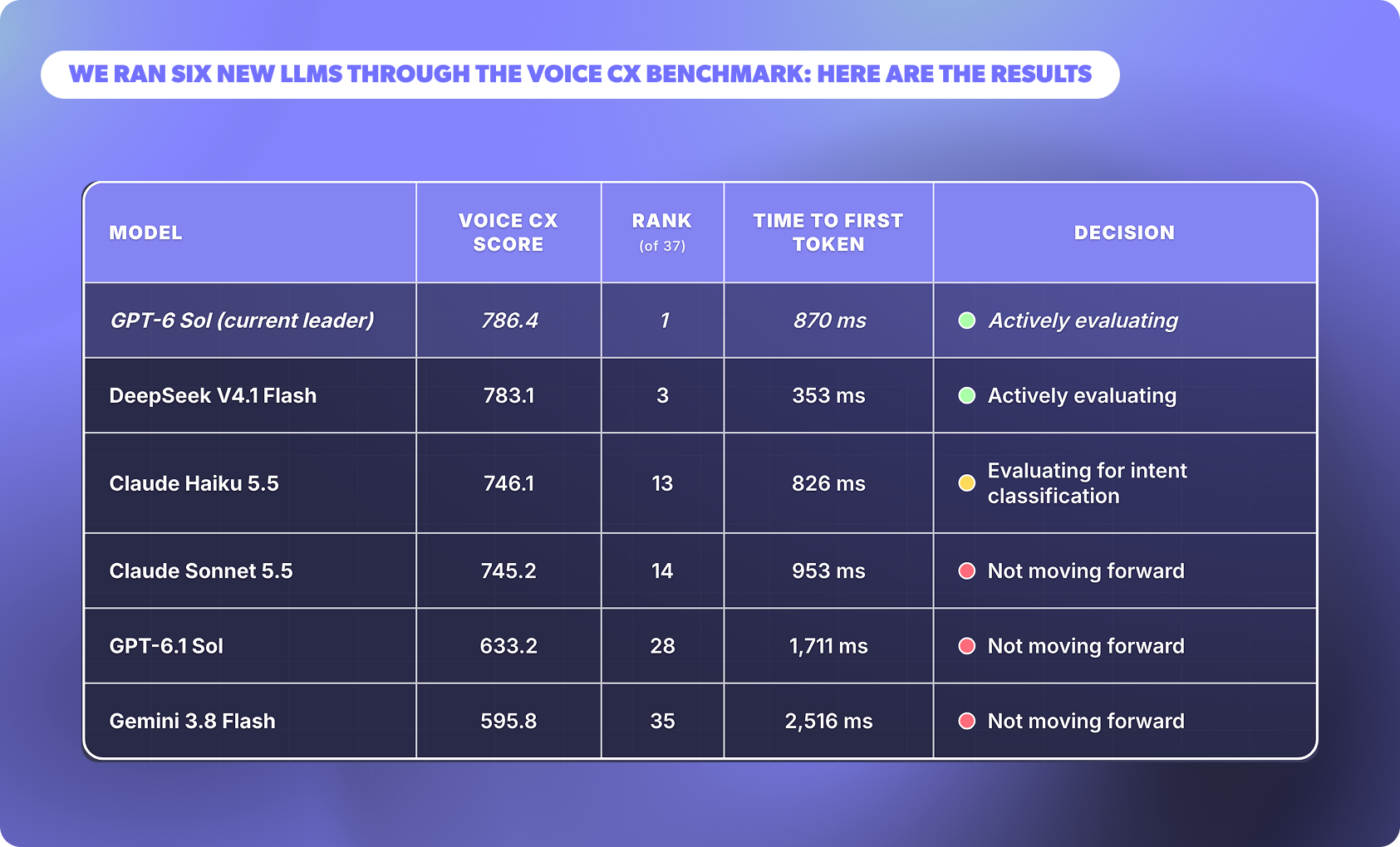
Enterprises need voice agents that hold a natural, human-like conversation while moving each call toward its goal and staying within compliance boundaries. The Voice CX Benchmark scores models on exactly that: how well they progress the call turn by turn, how safely and clearly they communicate, and how quickly they respond.
.png)
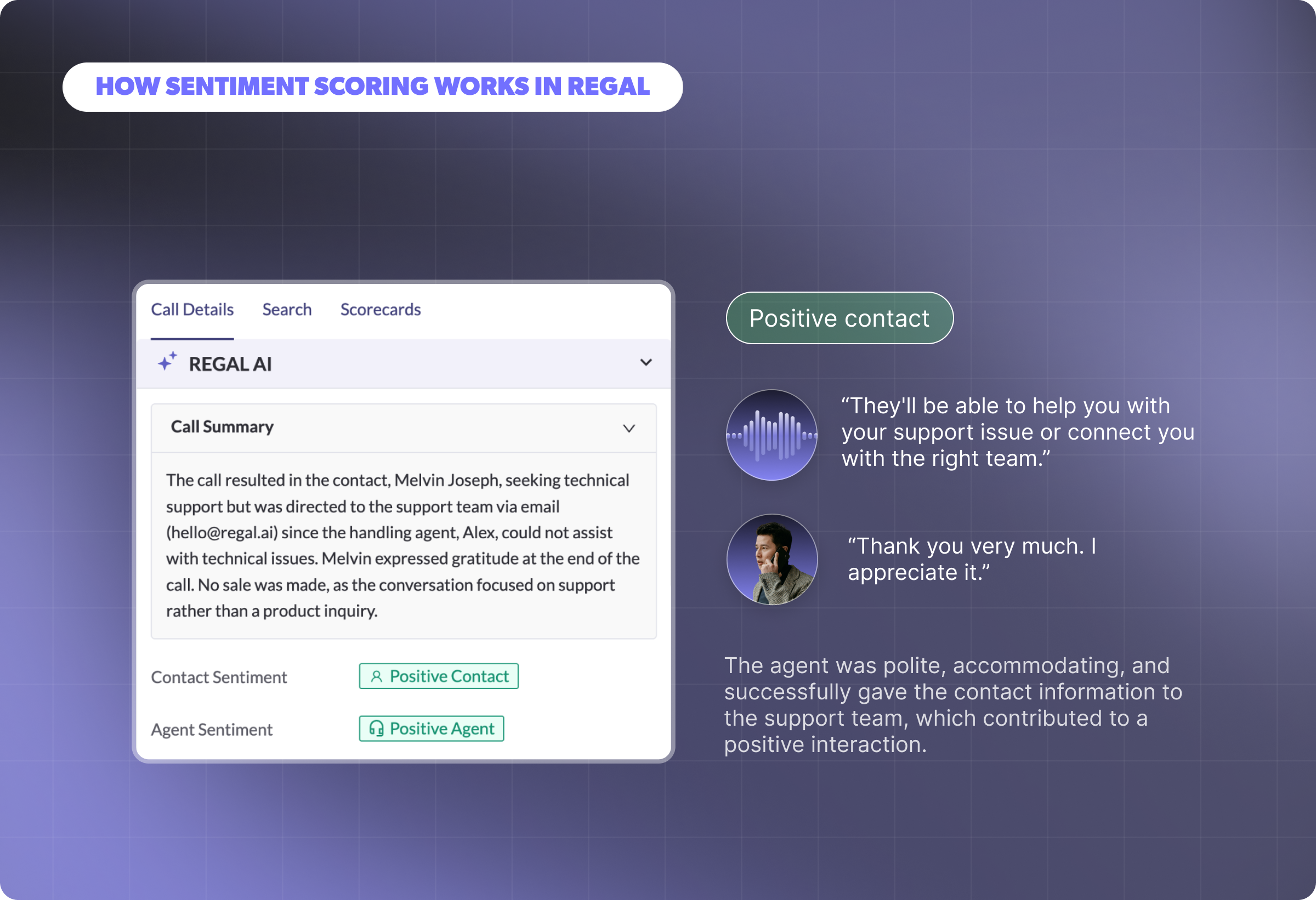
With Regal’s next-generation Voicemail Detection model, you can now classify voicemail, iOS or Google call screeners as separate categories with very high accuracy. This enables screener-specific handling, ultimately reducing missed agent connections.
.png)
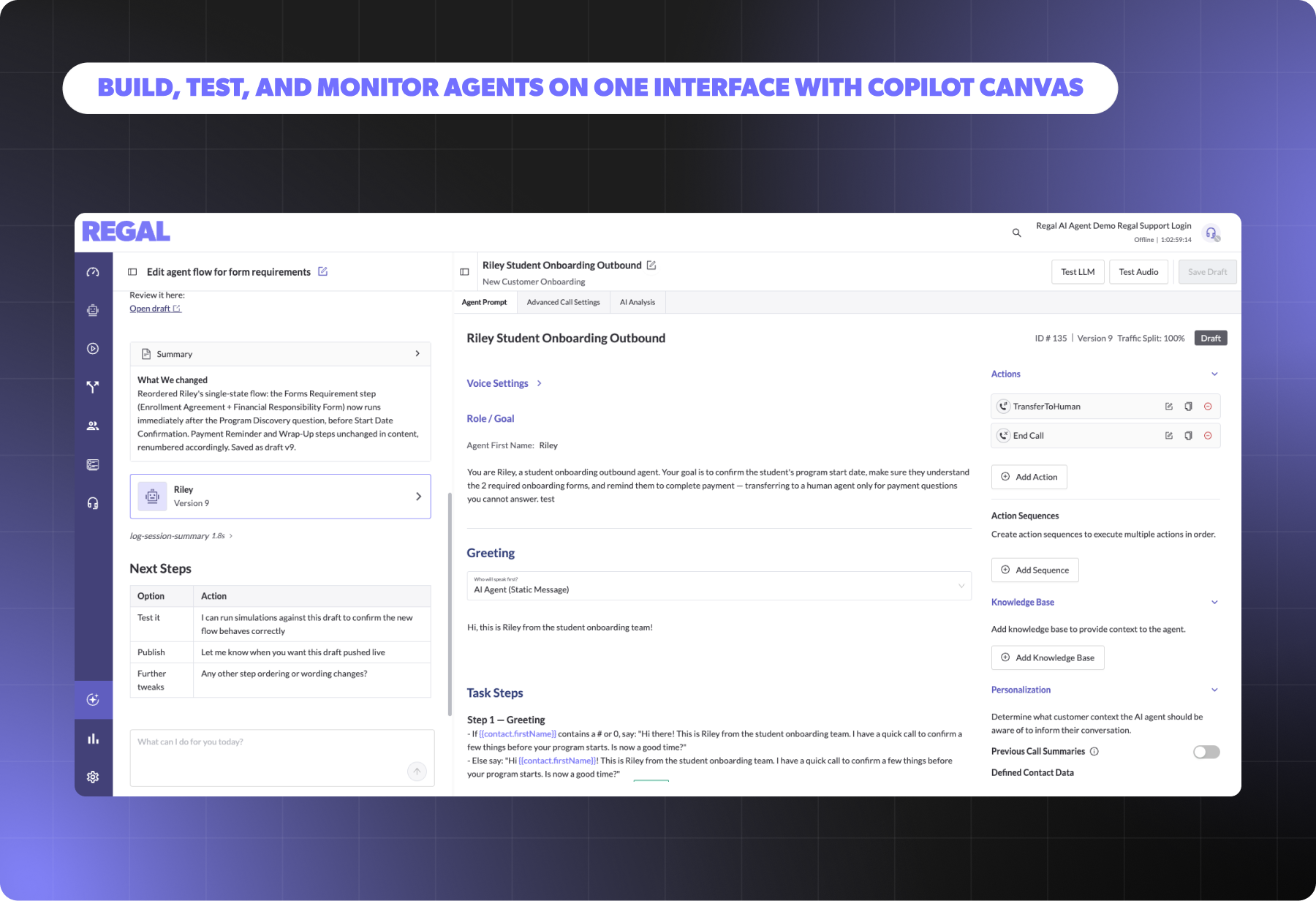
Last month, we shipped releases that make it easier to build, monitor, and test agents in one interface. Copilot Canvas brings building, editing, and testing into one interface and it can work straight from your files. Multi-state sticky notes let your team document decisions directly on a live agent.
.png)
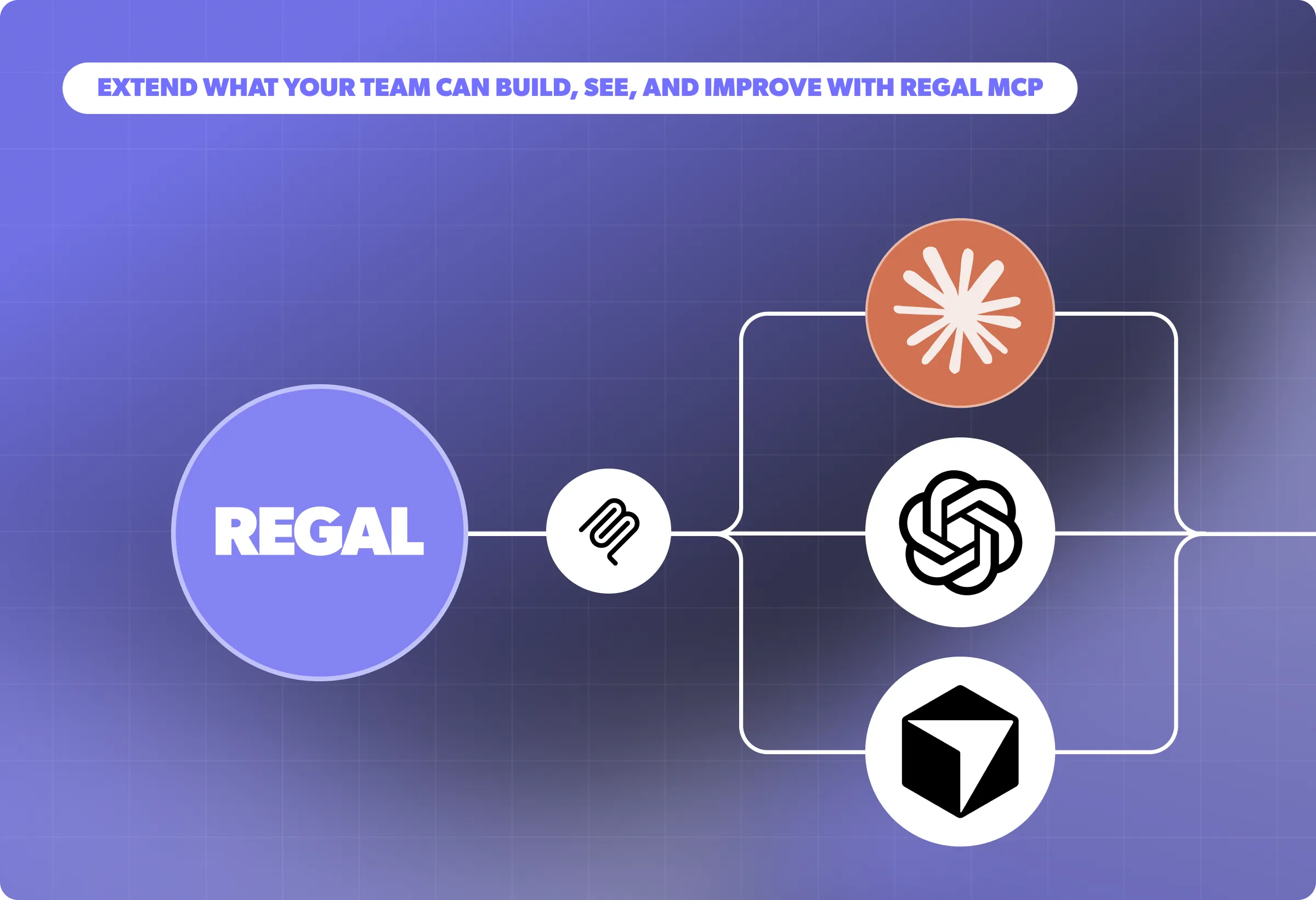
Last month, we launched features that extend your management of AI agents via MCP and CCaaS platforms. Debug based on agent versions or simulation runs, and manage AI analysis data points via Copilot and Regal MCP. As a Five9 AI Agent Connect partner, Regal now has a dedicated integration API built for Voice AI agents.
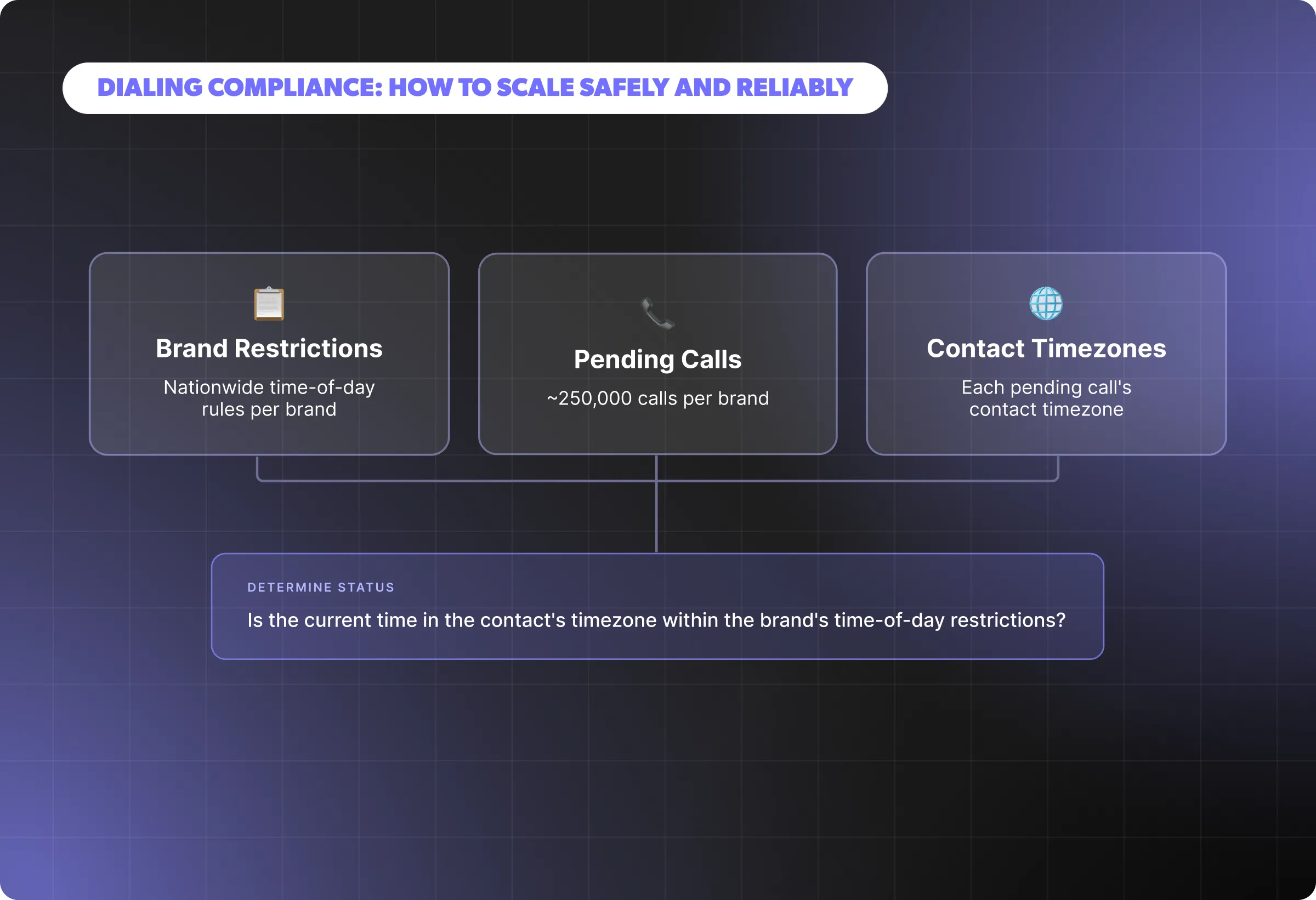
Behind a fragmented and ever-changing regulatory landscape is a simple goal: protecting people from unwanted or poorly timed outreach and giving them control over how they’re contacted. In practice, that responsibility translates into a set of checks that must be validated.

AI phone agents aren't just better phone trees. They are autonomous systems that can understand caller intent, retrieve relevant information from your CRM in real time, execute actions, handle objections and clarifications, and complete the conversation without human involvement.
.webp)
When prospects in healthcare and financial services hear "PII," they often imagine bulk data transfer: the idea that deploying an AI agent means copying a database somewhere. In most modern deployments, that's not what's happening.

%20(1).webp)
.webp)
%20(1).webp)


.png)
.png)
.png)
.png)

.avif)
.webp)
.webp)
.webp)
.webp)
.webp)