SEPTEMBER 2023 RELEASES
September 2023 Releases
Most voice AI failures aren't model failures—they're design failures. Every production Voice AI agent is a tradeoff system. If you don't explicitly decide what to optimize for, the system will decide for you, sometimes in the worst possible way. Successful Voice AI agents are deliberately constrained, and those constraints can be visualized in The Voice AI Agent Triangle.
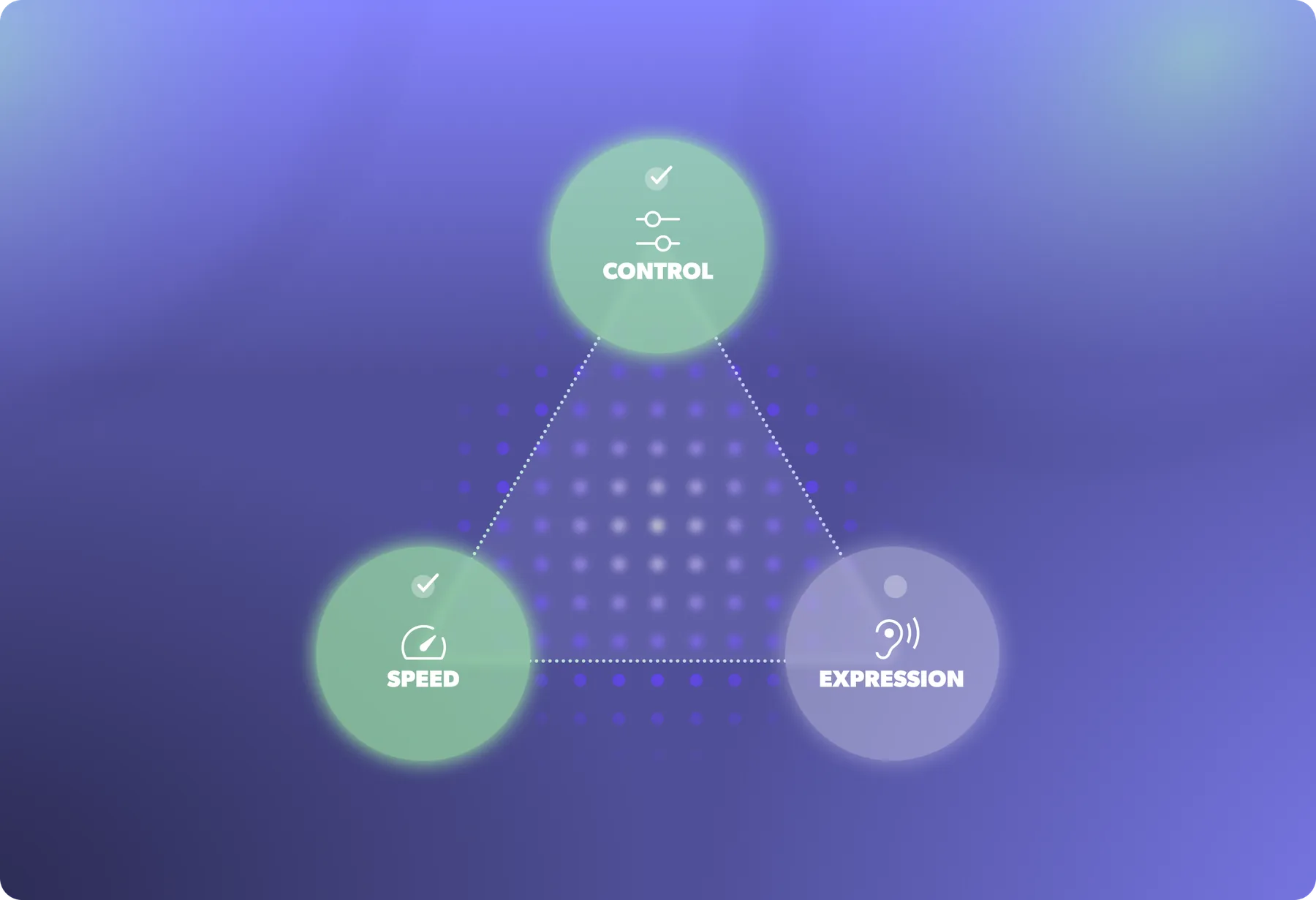
Every voice agent design sits somewhere between three competing forces:
You can push hard on two of these attributes. Trying to maximize all three is how teams ship agents that feel “good enough” in demos, but quietly fail in production.
Why You Can't Maximize All Three:
Most real-world voice agents live near one edge of the triangle, not the center. Below, we break down when each approach works best, what it intentionally sacrifices, and how it should be designed:
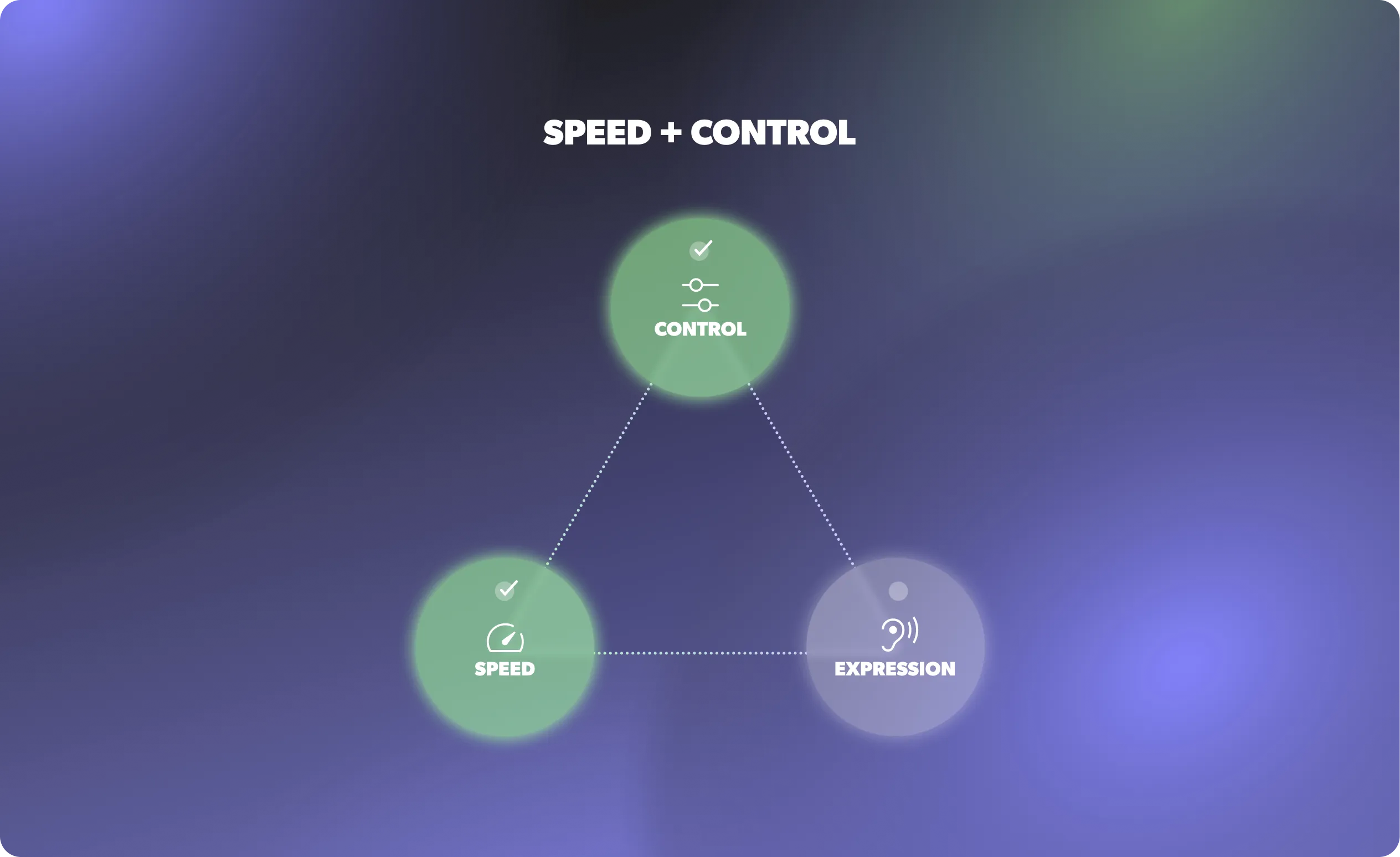
For use cases like collections, fraud prevention, and identity verification, speed and determinism are paramount. These agents are optimized for sub-second responses and unambiguous outcomes, where clarity and efficiency matter more than conversational warmth. The design favors tight endpointing, explicit confirmations, and hard state transitions that leave little room for interpretation. Language variance is intentionally limited so the agent behaves predictably and consistently. In high-stakes, time-sensitive calls, such as fraud detection, the agent’s role is to resolve the issue quickly and clearly, prioritizing decisive next steps over empathy or open-ended dialogue.
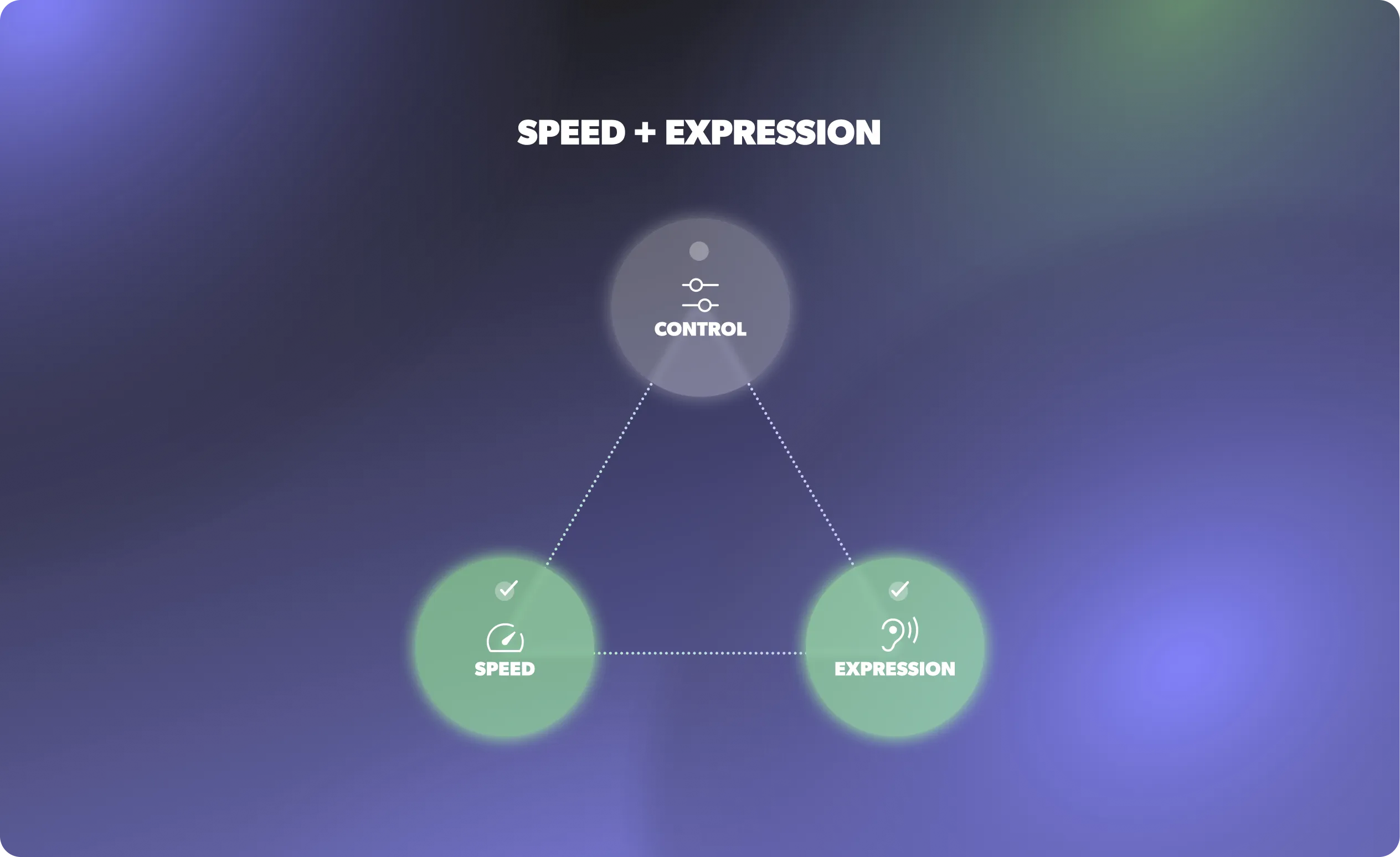
Sales and lead qualification require a very different approach. Here, momentum is everything, and conversational flow often matters more than perfect structure. These agents are designed to respond quickly while sounding energetic, curious, and adaptable. They tolerate looser intent interpretation and more flexible phrasing to keep conversations moving naturally. While this introduces some loss of determinism, it enables a smoother, more engaging experience. A lead qualification agent, for example, should match the prospect’s tone, move fluidly between discovery and next steps, and maintain rapport, even if that means missing a non-critical data point in favor of preserving conversational momentum.
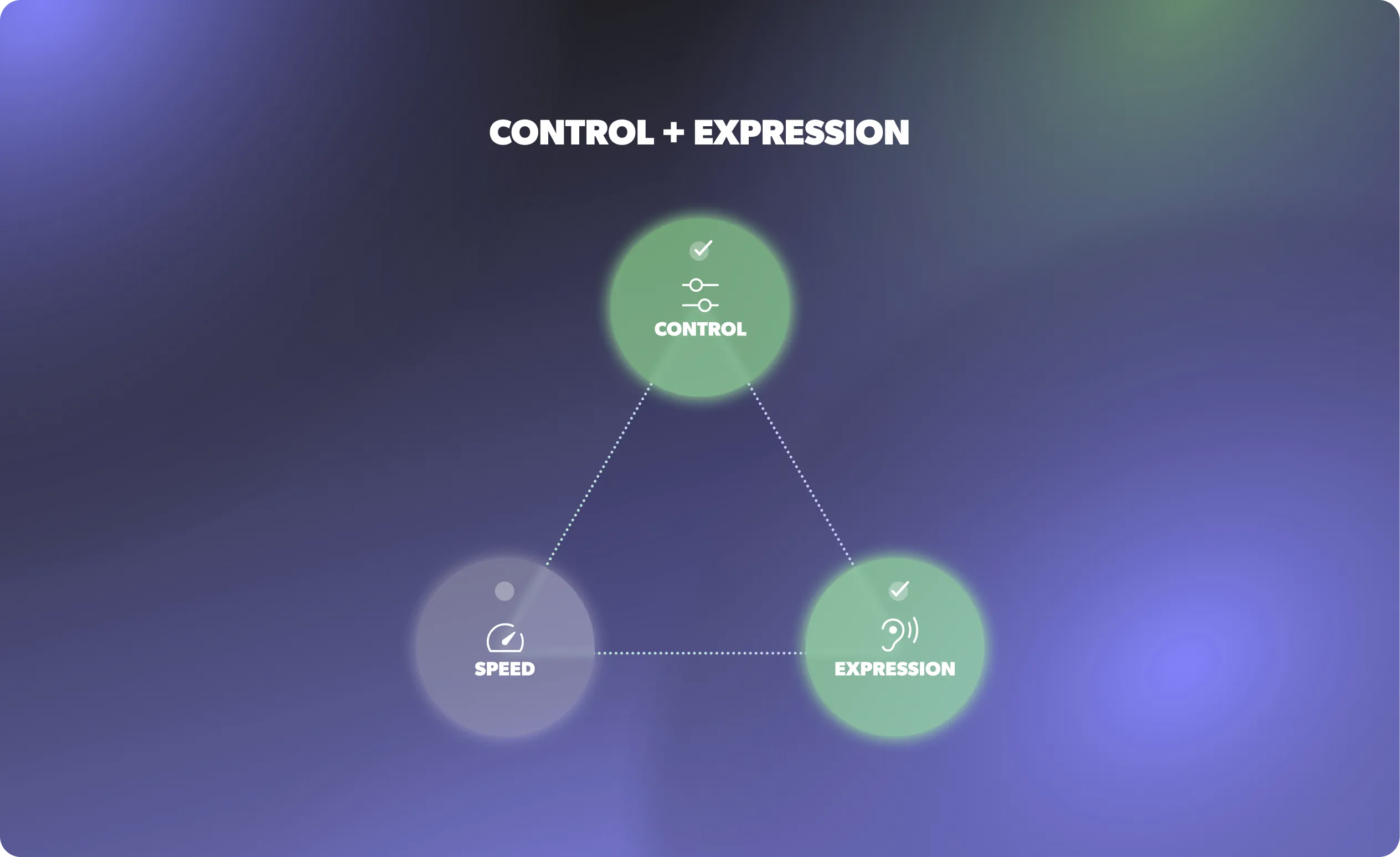
In healthcare, financial services, and other regulated industries, the priority shifts to safety, trust, and compliance. These agents intentionally trade speed for reassurance and accuracy. Conversations are paced more slowly, with structured data collection, conservative endpointing, and redundant confirmations built in. Every action is auditable, and key decisions are validated explicitly. A financial advisory agent, for instance, should explain options in plain language, confirm understanding at each step, and double-check critical choices. The experience feels calm and deliberate, reinforcing confidence and trust rather than reacting quickly.
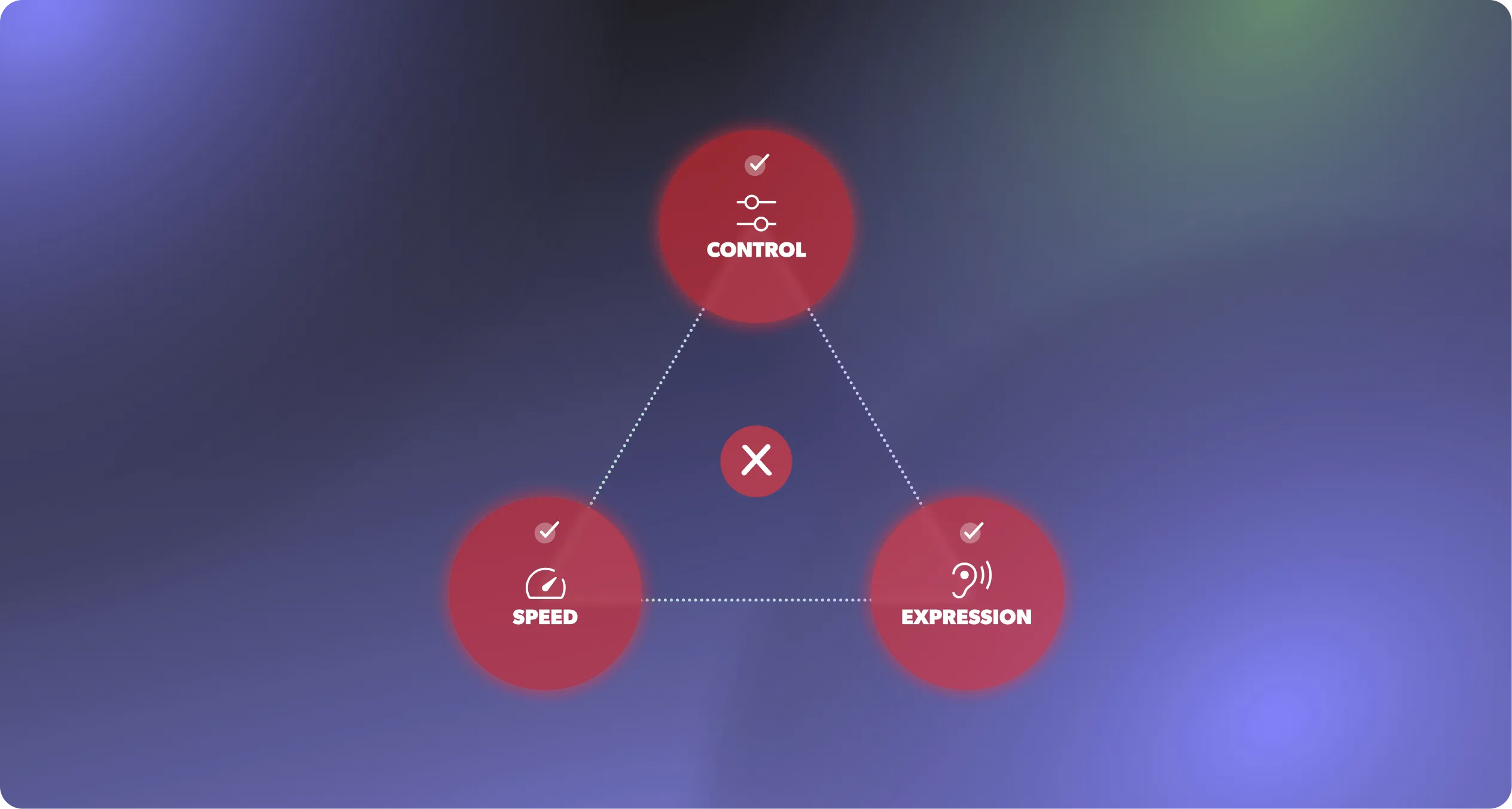
Most teams implicitly aim for Speed + Expression + Control, resulting in the worst of all three worlds: slower responses from safety checks, awkward pacing from guardrails, and unpredictable outcomes from conversational variance.
Regal's philosophy is to make tradeoffs explicit and configurable by separating conversation generation (LLM behavior), state management (deterministic control), and action execution (explicit permissions). This allows you to decide where determinism lives, how aggressive endpointing should be, and how much freedom an agent has in each state.
Before deploying a voice agent, you should ask:
If you can't answer these questions, the agent will answer them for you, in potentially unexpected ways that reduce reliability and performance.
Every voice agent exists within the constraints of speed, control, and expression. The most successful deployments are built by teams who acknowledge this reality upfront. The failure of most voice AI agents isn't the underlying technology, it's the attempt to be everything to everyone, resulting in agents that feel sluggish, robotic, and unreliable.
The best voice agents aren't the ones that sound most human, they're the ones that deliver the outcomes users need. Whether you're building for high-stakes fraud prevention, momentum-driven sales conversations, or compliance-heavy healthcare interactions, the triangle helps you articulate what success looks like and what you're willing to sacrifice to get there.
At Regal, we help you navigate these tradeoffs from day one. Our platform separates conversation generation, state management, and action execution so you can enforce control exactly where it matters. We'll work with you to identify which corners of the triangle align with your business goals and configure your agent architecture accordingly.
Ready to build a voice agent designed for your specific outcomes? Sign up for a demo and we'll show you how to make the triangle work for you.
Ready to see Regal in action?
Book a personalized demo.




.png)
Last month, we shipped releases that improve your contact center operations by extracting business insights with Copilot and reducing wasted agent minutes with our new Voicemail Detection model. The result is more reliable, productive AI agents that can drive revenue for your business.
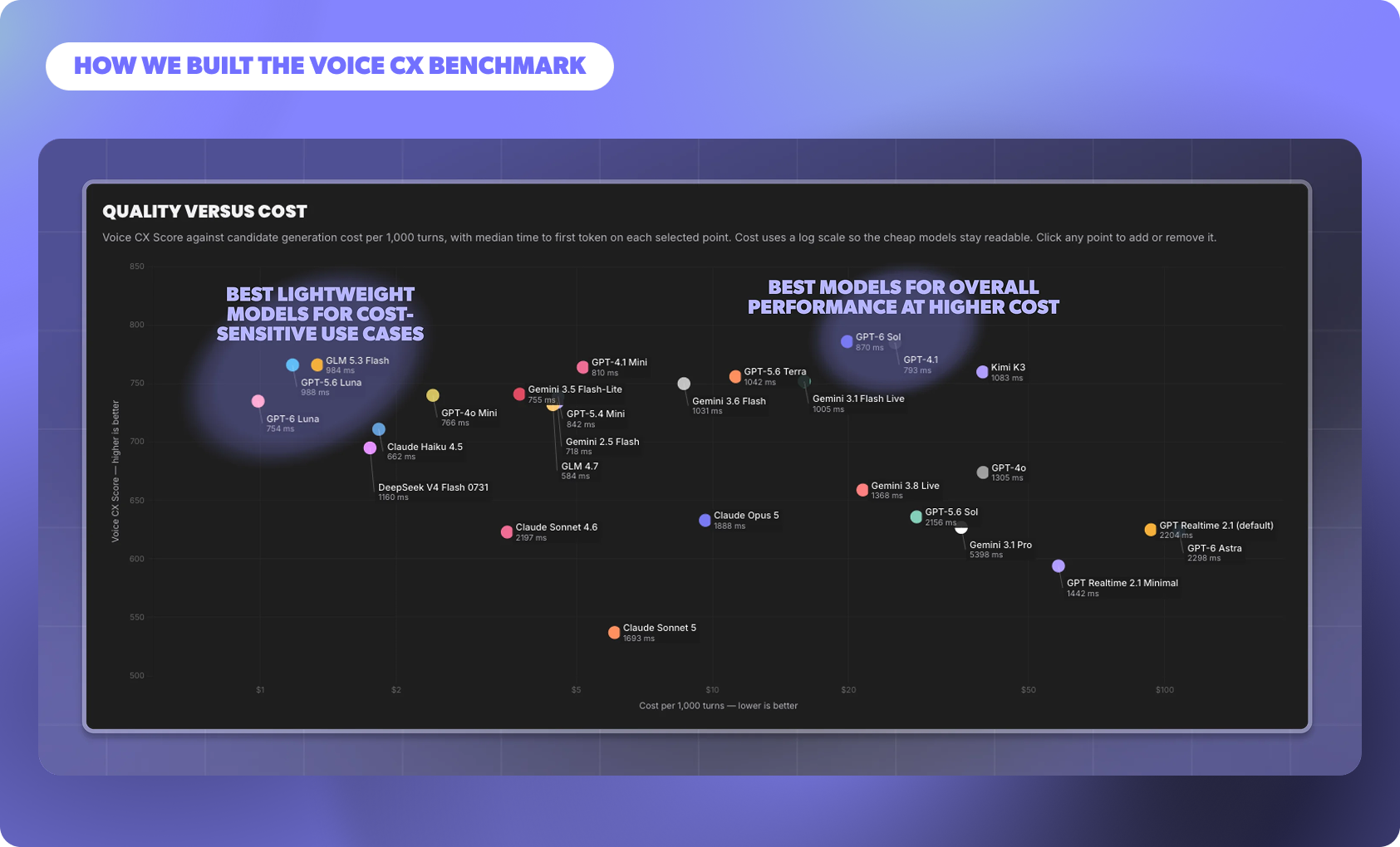
Enterprises need voice agents that hold a natural, human-like conversation while moving each call toward its goal and staying within compliance boundaries. The Voice CX Benchmark scores models on exactly that: how well they progress the call turn by turn, how safely and clearly they communicate, and how quickly they respond.
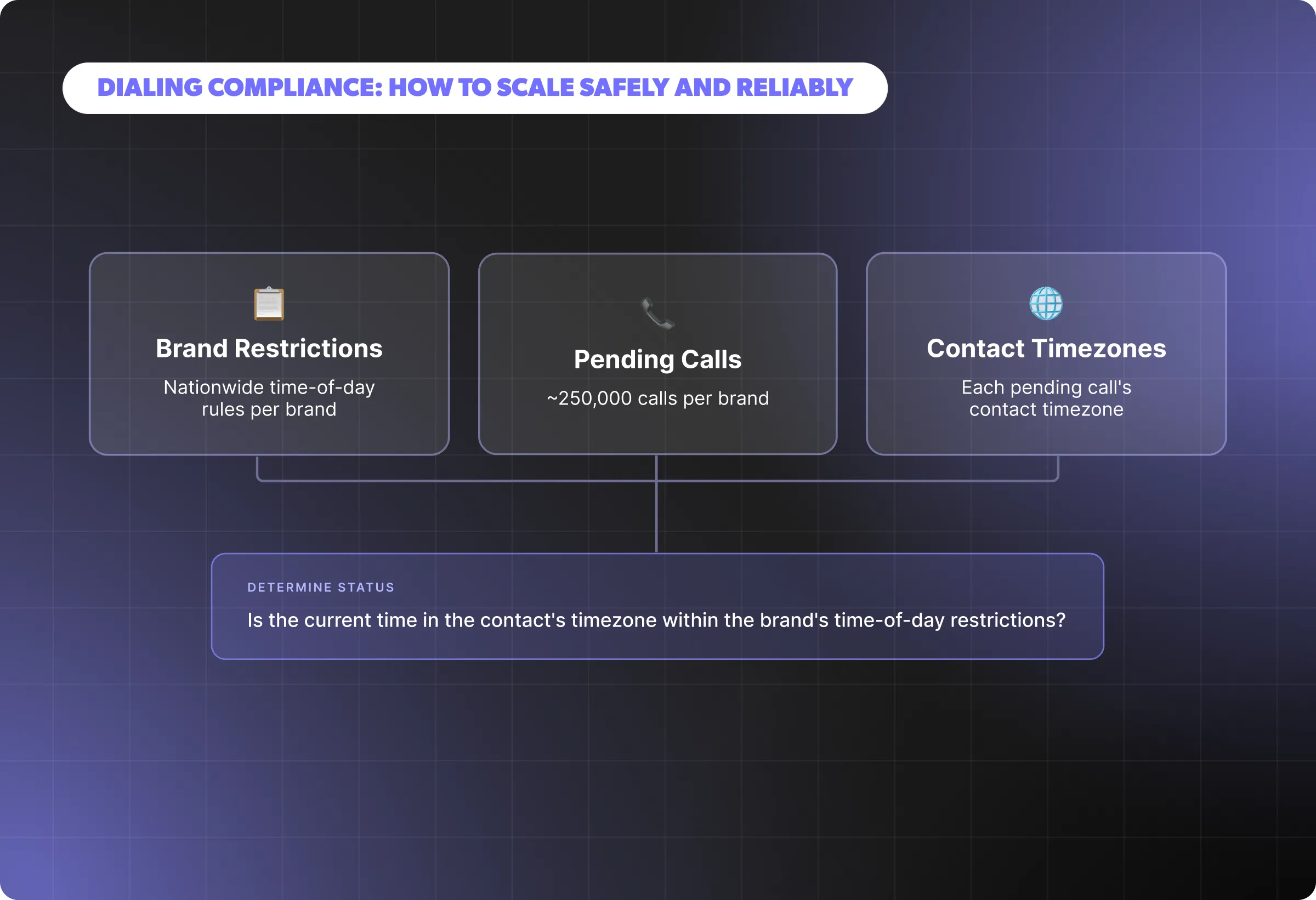
Behind a fragmented and ever-changing regulatory landscape is a simple goal: protecting people from unwanted or poorly timed outreach and giving them control over how they’re contacted. In practice, that responsibility translates into a set of checks that must be validated.
.png)
With Regal’s next-generation Voicemail Detection model, you can now classify voicemail, iOS or Google call screeners as separate categories with very high accuracy. This enables screener-specific handling, ultimately reducing missed agent connections.
.png)
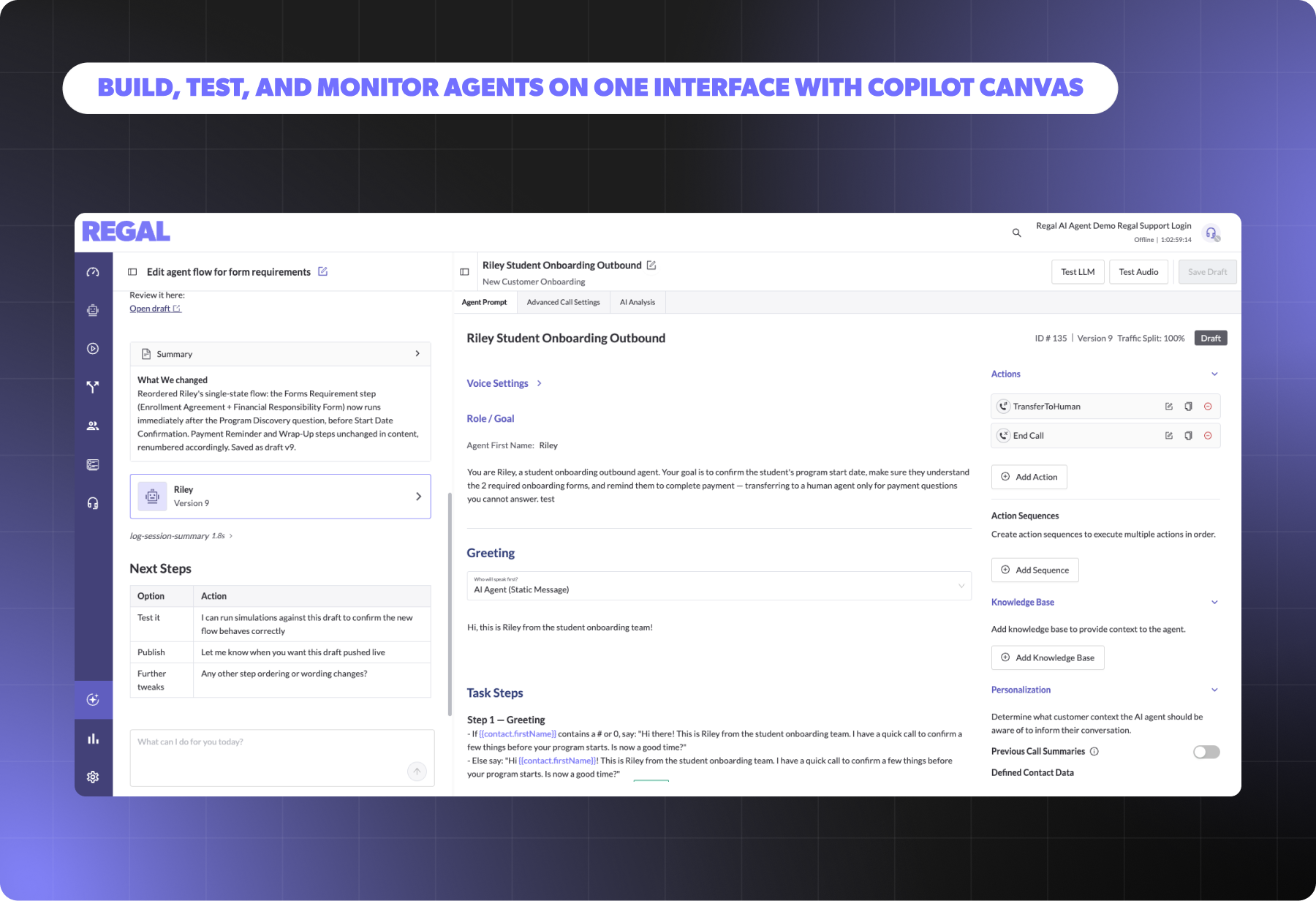
Last month, we shipped releases that make it easier to build, monitor, and test agents in one interface. Copilot Canvas brings building, editing, and testing into one interface and it can work straight from your files. Multi-state sticky notes let your team document decisions directly on a live agent.
.webp)
Learn about the difference between single-state and multi-state AI agents, and how each impacts speed, scale, and reliability. Discover when simplicity is enough and when enterprise workflows demand structured orchestration, so you can choose the right design for your use case.

The fastest growing High Consideration brands have invested heavily in outbound call centers for sales and marketing. With the right technology, staffing and measurement, you too can build a high performing outbound call center to help hit your growth goals.
.png)
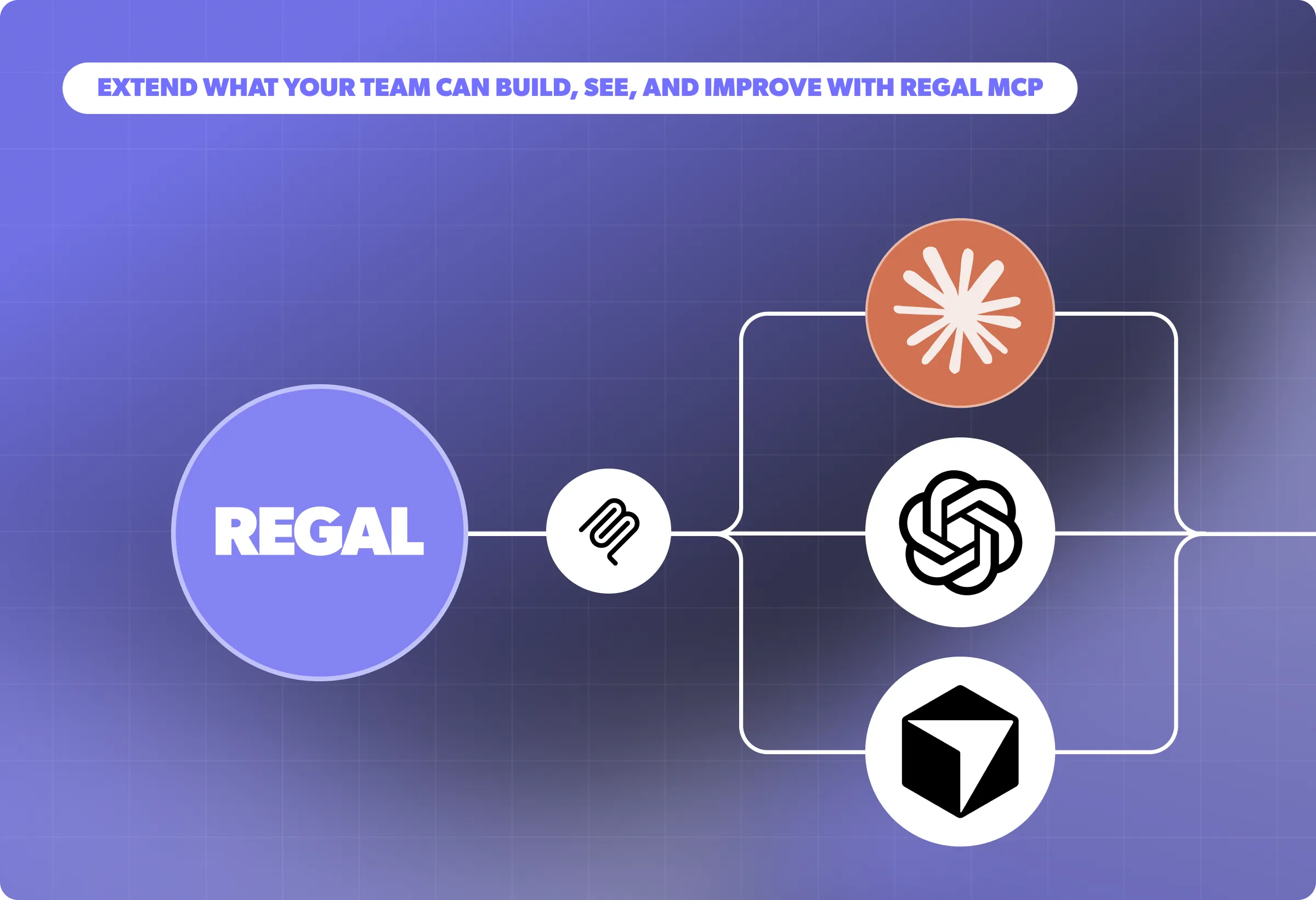
Last month, we launched features that extend your management of AI agents via MCP and CCaaS platforms. Debug based on agent versions or simulation runs, and manage AI analysis data points via Copilot and Regal MCP. As a Five9 AI Agent Connect partner, Regal now has a dedicated integration API built for Voice AI agents.

As AI technology continues to evolve, the use cases for AI Voice Agents in contact centers will only increase. By answering these six key questions, you can identify where AI agents fit best today in your contact center and plan for future integrations.

Discover how Regal.io's AI-powered personalized outreach solutions are revolutionizing outbound sales and customer experience across industries like healthcare, finance, and insurance in our latest eBook, "Modernizing Outbound Contact Centers: How to Treat Millions of Customers like One in a Million."
.webp)
With AI agents, every appointment gets a confirmation call. Each contact gets a chance to reschedule, and the confirmation rate goes to 100%, not because the AI is better at conversations than your agents, but because the AI never runs out of capacity.

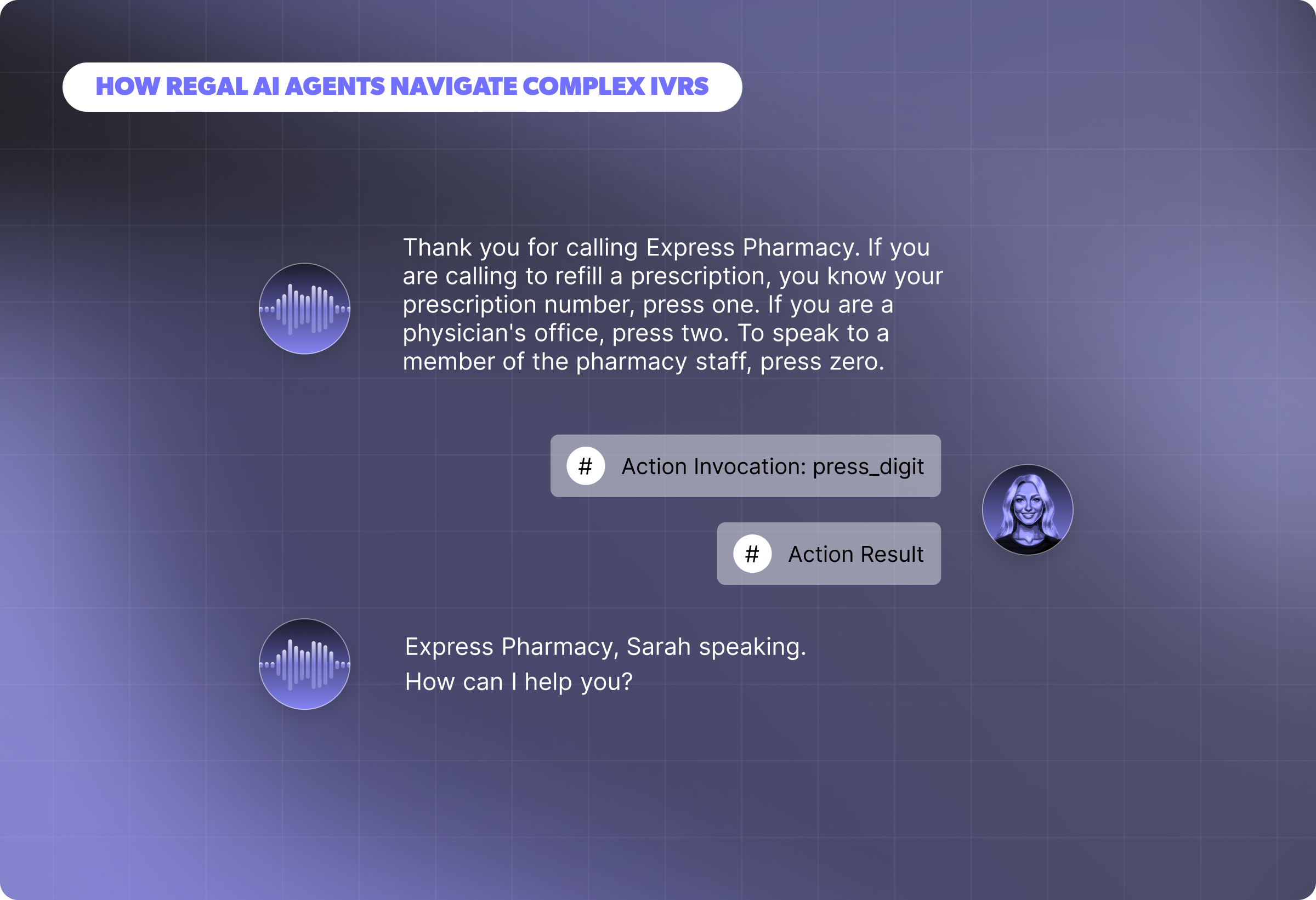
AI phone agents aren't just better phone trees. They are autonomous systems that can understand caller intent, retrieve relevant information from your CRM in real time, execute actions, handle objections and clarifications, and complete the conversation without human involvement.
.webp)
When prospects in healthcare and financial services hear "PII," they often imagine bulk data transfer: the idea that deploying an AI agent means copying a database somewhere. In most modern deployments, that's not what's happening.
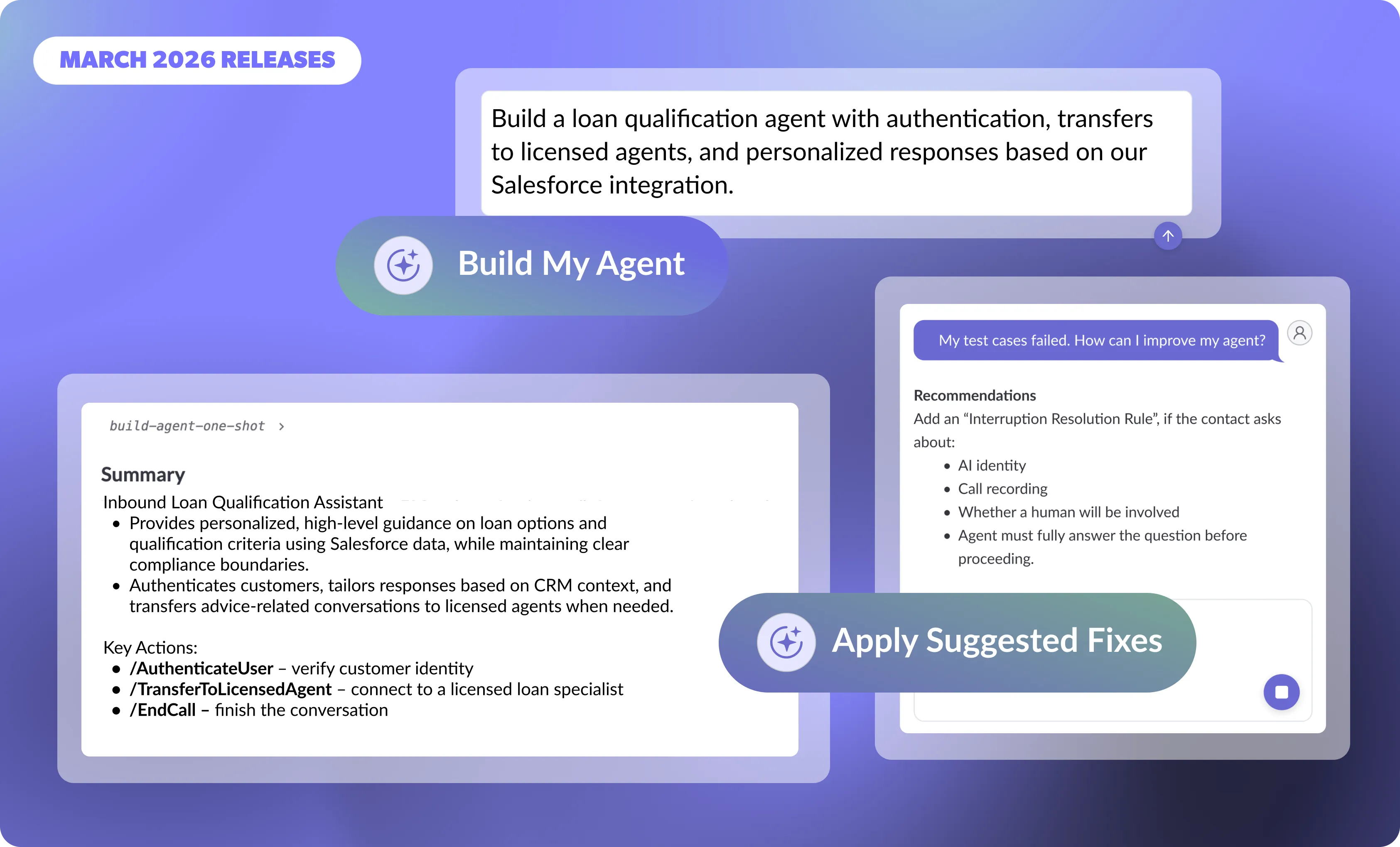
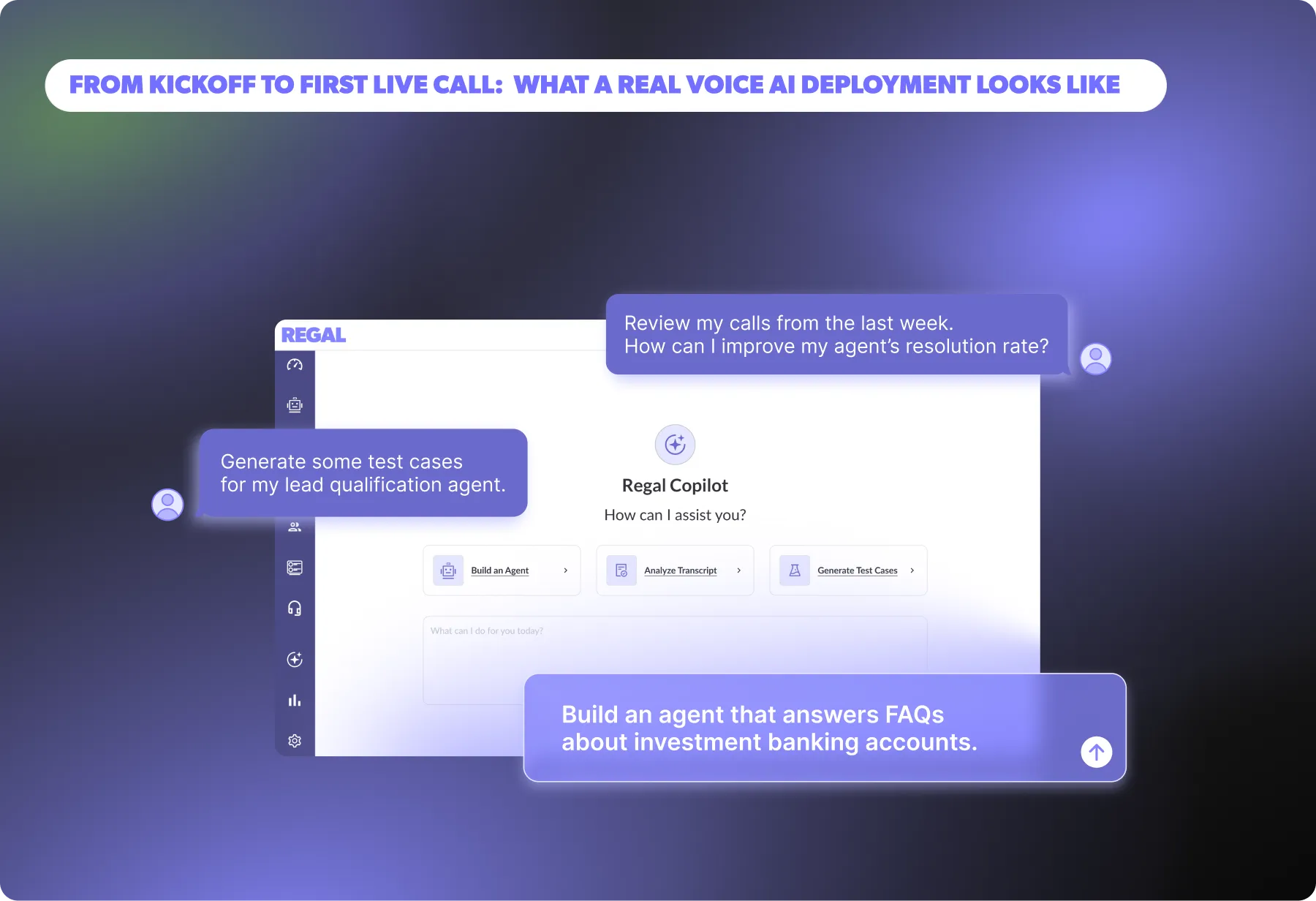
In March, we made it faster than ever to build, launch, and continuously improve AI agents with Copilot, Regal's AI agent for building AI agents. Together, these updates lessen the time needed to launch and maintain agents, so you can focus on understanding your customers, unlocking new use cases, and driving faster business outcomes.
.webp)
AI agent performance depends on how well it aligns with real customer language, not just fluency. Regal Improve helps teams identify gaps and improve outcomes by analyzing real conversations and surfacing high-impact opportunities
.webp)
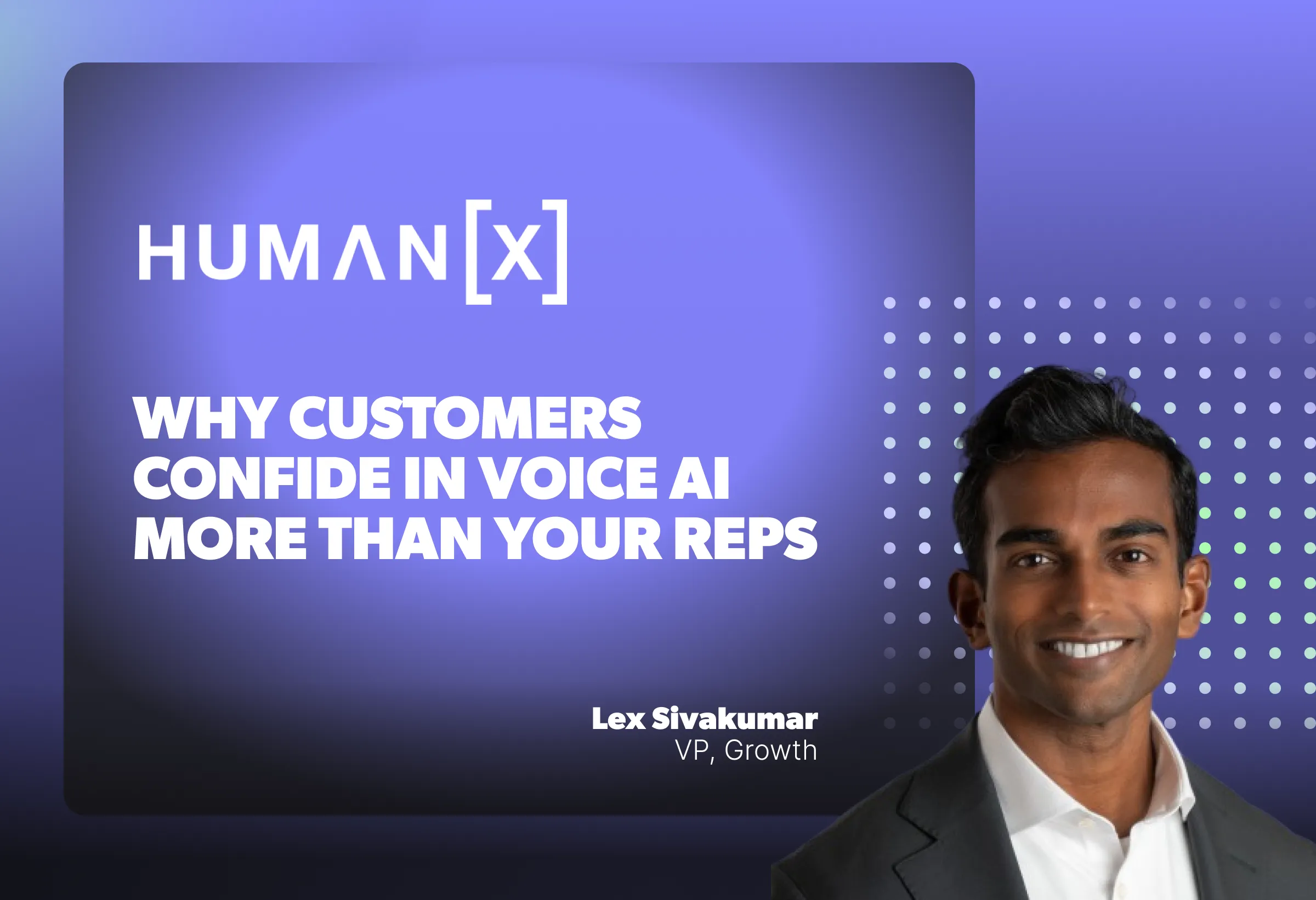
In this fireside chat, Regal Co-Founder & CEO Alex Levin sits down with Kin Insurance’s Austin Ewell and a360inc’s Henry Davidson to share how their organizations are using AI agents to transform outreach, customer experience, and operational efficiency. They discuss real-world deployments—from qualification and human agent handoffs to complex negotiation workflows—break down the results, and offer practical guidance for leaders adopting AI agents at scale.
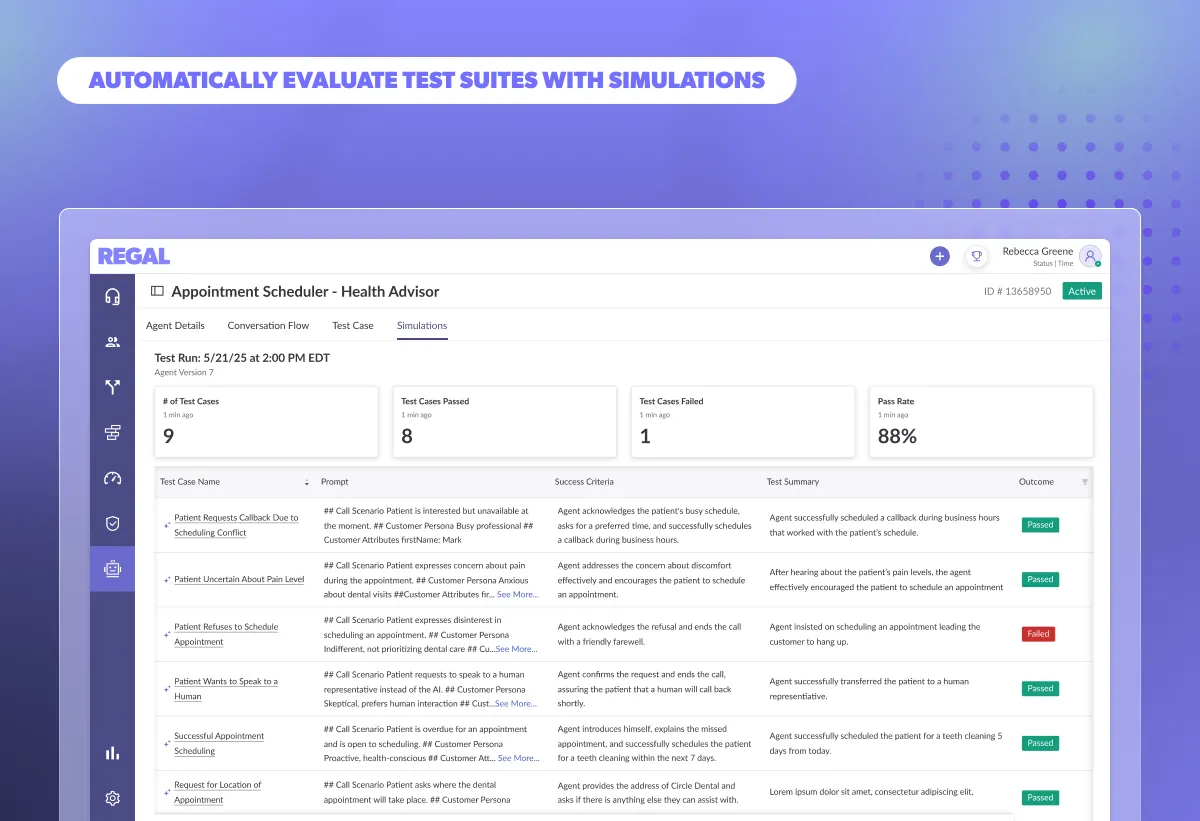
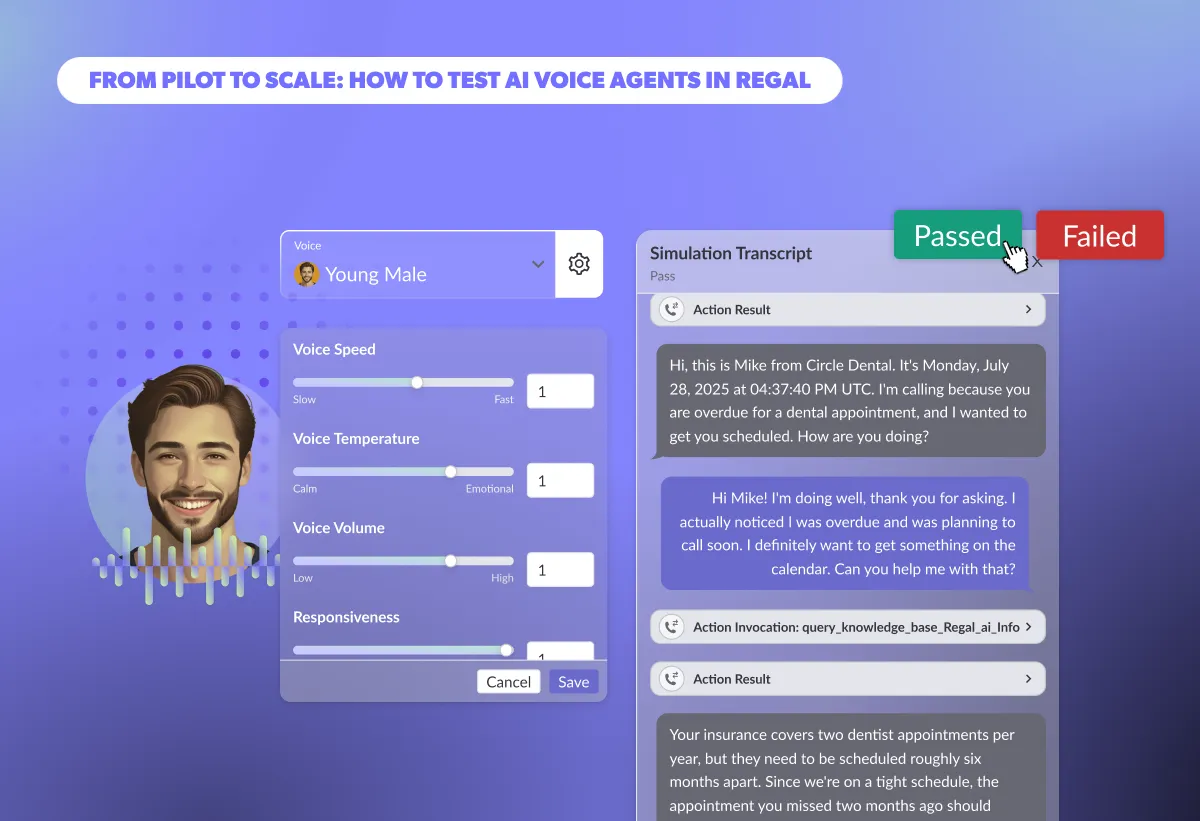
Discover how you can use Simulations to evaluate scenario-specific conversational flows that pinpoint AI Agent failures before launch. Speed up regression testing, validate prompts, knowledge bases, and custom actions at scale, and deploy reliable AI Agents with confidence.
%20(1).webp)
Apple’s iOS 26 introduces new call-screening controls that will reshape outbound performance. This guide explains what’s changing, how adoption may impact enterprise contact centers, and the proactive steps leaders can take now to protect answer rates and customer trust.
Learn how to maintain a clean, reliable RAG system for AI Agents. Discover best practices for structuring source docs, chunking content, titling for retrieval, avoiding redundancy, and keeping knowledge bases fresh to ensure accurate, scalable performance.
.webp)
This article outlines the core characteristics that influence how voice AI is perceived on live calls. From mechanical traits like speed and volume, to more emotional and conversational behaviors, we’re going to look at what those characteristics mean, why they matter, and how they impact your bottom line.
.webp)
Learn how to configure your AI Voice Agent for real performance. This guide covers the most important voice settings in Regal, what ranges top brands use in production, and how adjusting speed, tone, and responsiveness impact cost, containment, and overall customer experience.
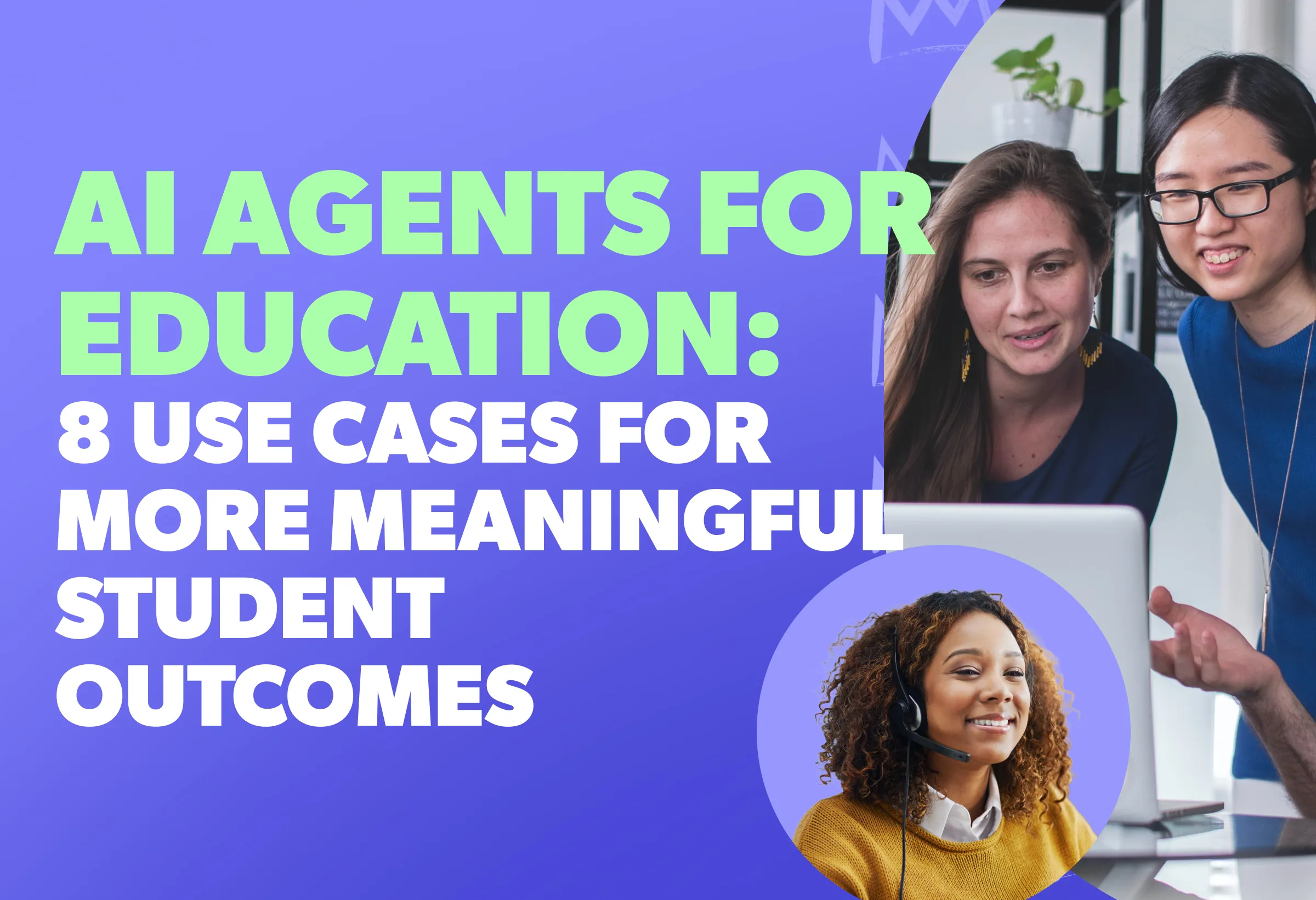
AI Agents for Education are transforming student engagement—boosting enrollment, improving retention, and making support more human. Discover 8 game-changing use cases that free up your staff while delivering better student outcomes.

Regal is officially one of Forbes America’s Best Startup Employers 2025, ranking #164 out of 500. This recognition is a testament to our incredible team, our innovative work culture, and our unwavering commitment to advancing AI technology.

AI in education is helping to streamline admissions, automate student engagement, and enhance higher ed outreach. Discover key education technology trends to boost enrollment and learn why automated student engagement tools are the future.
.webp)
When it comes to comparing AI Agents vs. AI Assistants, Siri & Alexa handle simple tasks, but Gen AI Voice Agents—like Regal’s AI Phone Agent—drive real business impact with human-like conversations, automation, and seamless integration.
.png)

.png)
.webp)
.png)


.webp)
.webp)


.avif)
.webp)
.webp)

.webp)
.webp)
.avif)
.webp)


.webp)

.webp)
.webp)
.webp)

%20(1).webp)
.webp)
%20(1).webp)
.png)
.webp)
.webp)
.webp)
.webp)
%20(1).webp)
%20(1).webp)
%20(1).webp)
.webp)
.webp)
.webp)
.webp)
%20(1).webp)


%202.webp)


.webp)
.webp)
.webp)
.webp)


